
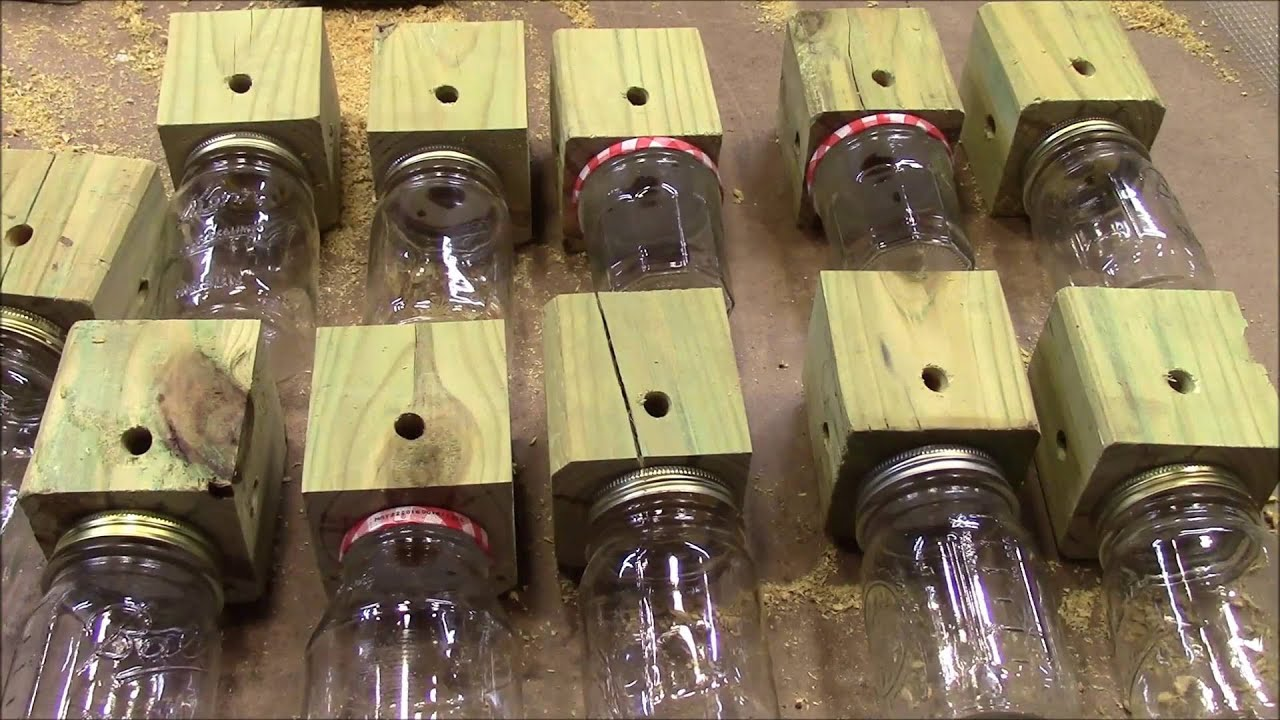

Carpenter bee traps are a necessity to individuals who wish to avoid the damage of their structures and outdoor areas by these hardworking insects. Instead of talking about the biology of carpenter bees, this guide is aimed at explaining how traps may assist in controlling the population, avoid expenses associated with costly damage, and retain the beauty and security of your home.
Unpainted or aged wood surfaces attract the carpenter bees and as such they tend to nest in decks, eaves and wooden furniture. Carpenter bee traps raised in strategic places would go a long way in ensuring that their numbers are minimized so that there is greater safety and enjoyment in the outdoor environment.
Why Carpenter Bee Traps Are Important
The carpenter bees may be annoying and a cause of destruction. These insects would drill holes into wood to construct nesting holes and this could make buildings weak in the long run. Although they seldom sting, the holes that they cause may expose the decks, siding, and wooden furniture to damage.
One of the proactive methods of managing the insects is through the use of traps of the carpenter bees. It is possible to reduce the general number of bees at a certain area by killing the offenders before they can mate with female bees. The traps are also a chemically free, environment friendly method of population control, and this qualifies them to be placed in residential settings.

How Carpenter Bee Traps Work
Carpenter bee traps are constructed in such a way that they attract the bees into an enclosed area in which the latter is unable to fly out. Instead, such traps are fake natural nesting spots and they usually employ colors, shapes, smells that appeal to the male carpenter bees. When the bee gets into the trap it is trapped in a chamber usually with a liquid, or gooey sticky-like substance that is such that the bee cannot escape.
Effective positioning depends on positioning. The traps are to be set where there are nesting facilities or in the paths that the bird to be trapped typically travel; the normal practice is to place the trap on the sunny side of a building. Distribution will ensure that the bees get into the trap and there is no destruction of major wooden materials.
Tips for Using Carpenter Bee Traps Effectively
Carpenter bee traps should be used so that they can be maximized using a number of considerations. Installation of traps must be at the beginning of the spring before the bees become immensely active and therefore the traps should have maximum capture potential. The traps should also be monitored and maintained regularly to avoid accumulation and continue its efficiency.
Various traps should also be used in bigger areas. A low density of traps helps to protect more of the land by placing different traps in strategic locations, and this is only possible in houses that have large wooden buildings or gardens.
Traps must not be taken as the only answer. Traps and preventive measures putting up traps with exposed wood sealed using paint or varnish maintenance to ensure the building is structurally sufficient is the most effective protection against carpenter bees in the long run.
Trusted Resources for Carpenter Bee Trap Control
To offer credible information about carpenter bee traps to the homeowners, a variety of high-authority websites has their recommendations and guidance.
University of California Integrated Pest Management (UC IPM) also provides information on masonic behavior of carpenter bees, traps to use, and systems of setting traps.
The National Pest Management Association (NPMA) offers information about the prevention methodology, trap analysis, and the professional pest control service.
Ortho Home and Garden talks about homeowner friendly strategies of dealing with carpenter bees such as using traps and sprays as well as prevention.
Better Homes and Gardens offers tips on how to take care of the wood surface practically, and how to use safe traps that would help to decrease carpenter bees infestation.
Through these, the homeowners get authoritative practical advice on how to find effective solutions to their problems without damaging the environment.
Combining Carpenter BeeTraps With Preventative Measures
Though carrier bee traps capture a substantial quantity of bees, the most effective one comprises prevention. Exposed wood surfaces are painted or stained thus becoming less appealing to nesting bees. Wooden decks, siding, and furniture should be checked on a regular basis to recognize even the slightest form of activity before the damage is caused.
Plugging holes left behind by the former carpenter bees deter further infestation and makes the population growth restricted. A combination of these steps with traps will provide an insurability in the long term, which will minimize the numbers of problems appearing every season.
Choosing the Right Carpenter Bee Trap
Traps are not developed equally. One of the main things that need to be chosen to ensure successful management is the trap that guarantees good results. Durability, cleaning easy, the mode of trapping mechanism, and size of the trap are some of the factors to be taken into account. The most trustworthy alternatives can be identified with the guidance of user reviews, suggestions of experts, and credible retailers.
There are those householders who like commercial traps that have the liquid capture, sticky capture, traps that are engineered to physically hold the bees to be disposed of later. In spite of the approach, the best location and observation are the most significant success factors.

Conclusion
Carpenter bee traps would be a safe environmentally friendly action; whereby the homeowner would protect the home against destruction. By learning their mechanisms of operation, putting them strategically, and integrating them with control strategies, you can drastically cut down on the carpenter activity. The expert advice that is needed to ensure the best outcomes are attained by homeowners is available in trusted sources like UC IPM, NPMA, Ortho Home and Garden, and Better Homes and Gardens.
The installation of the traps of carpenter bees that can be seen as a proactive measure will not only prevent the damage to wooden structures but also enable people to use the outdoor areas without facing the significant threats of being harmed by the insects.
FAQs About Carpenter Bee Traps
How do carpenter bee traps attract bees?
Traps mimic natural nesting sites using colors, shapes, and sometimes scents, which lure male carpenter bees into a chamber where they cannot escape.
When is the best time to use carpenter bee traps?
Early spring, before bees become highly active, is the most effective time to install traps to maximize capture rates.
Can carpenter bee traps eliminate an entire population?
Traps reduce bee activity significantly, but they are most effective when combined with preventive measures such as painting wood surfaces and sealing holes.
Are carpenter bee traps safe for the environment?
Yes, they provide a chemical-free and environmentally friendly option for controlling carpenter bee populations in residential areas.







Leave a Comment