
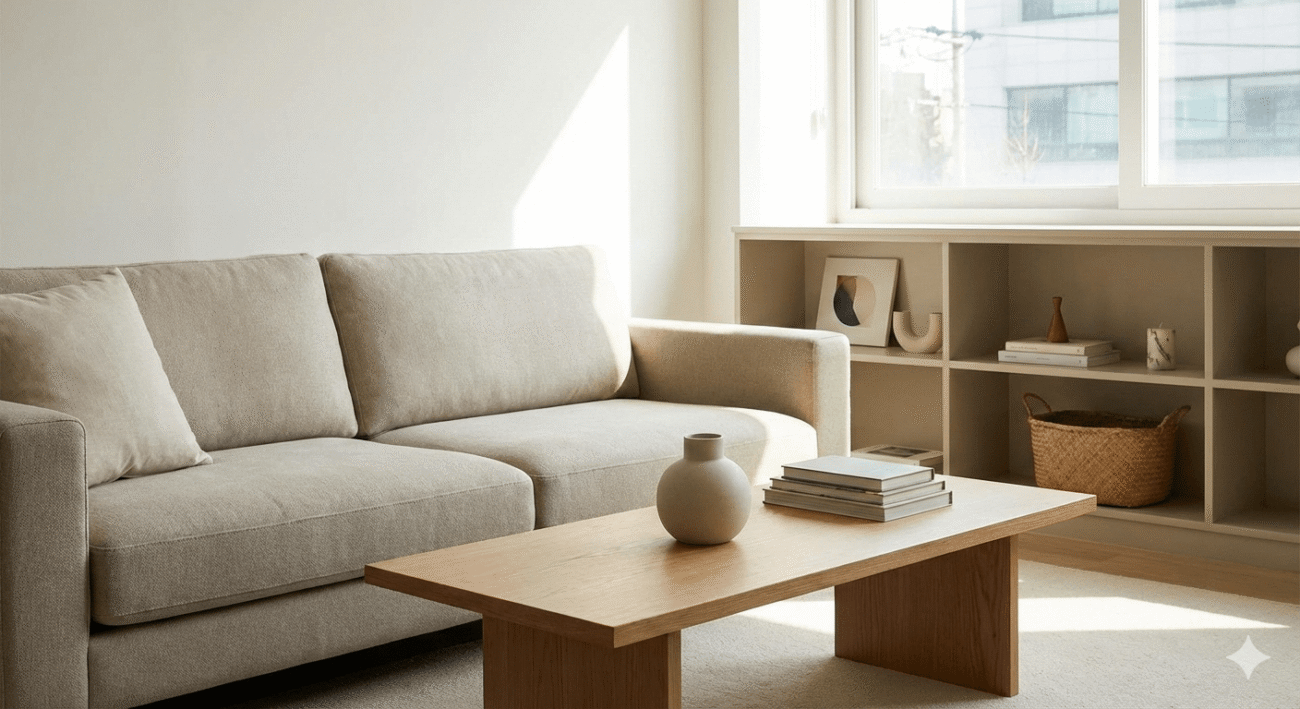

Walk into any home and you can feel it instantly. Some spaces breathe. Others feel heavy. The difference is rarely square footage or furniture quality. It is cluttered. If you have ever felt overwhelmed in your own living space, struggled to stay organized, or constantly cleaned without seeing lasting results, learning how to declutter your home can completely change how your space functions and how you feel inside it.
Decluttering is not about perfection or minimalism trends. It is about reclaiming control over your environment. When your home works with you instead of against you, daily routines become easier, stress levels drop, and your space finally supports your lifestyle instead of complicating it.
This guide goes deeper than surface level tips. It focuses on real world strategies, decision making frameworks, room by room priorities, and long term systems that help you declutter once and maintain clarity for years.
Why Learning How to Declutter Your Home Changes More Than Your Space
Clutter is rarely just physical. It often represents postponed decisions, emotional attachments, and habits that no longer serve your current life. When clutter builds up, it quietly steals time, energy, and focus.
People who understand how to declutter your home effectively notice improvements beyond cleanliness. They report better sleep, smoother mornings, increased productivity, and less mental fatigue. A decluttered home removes friction from everyday tasks. You stop searching for things, rearranging piles, and feeling behind before the day even starts.
Decluttering also creates visibility. When your belongings are intentional, you know what you own, where it lives, and why it matters. This awareness prevents future clutter from returning.
Decluttering Starts With Decisions Not Storage
One of the biggest mistakes people make when trying to learn how to declutter your home is focusing on storage solutions before addressing excess. Containers, shelves, and organizers do not reduce clutter. They hide it.
Decluttering is a decision making process. Every item in your home requires a choice. Does it support your current life? Does it earn the space it occupies? Does it solve a real problem or simply exist out of habit.
When you shift your mindset from organizing to deciding, decluttering becomes clearer and faster. Storage should only be introduced after you know exactly what deserves to stay.
How to Declutter Your Home Without Feeling Overwhelmed
Large decluttering projects fail when they feel emotionally or physically exhausting. The key is reducing cognitive load and creating momentum.
- Start by limiting scope. Focus on one room, one category, or one visible surface at a time. Completion builds motivation.
- Set a clear endpoint before you begin. Decide how long you will work or how much space you will address. Open ended sessions often lead to burnout.
- Create simple sorting rules. Keep items that are used regularly, necessary for daily life, or deeply meaningful. Everything else becomes a candidate for removal.
- Avoid revisiting decisions. Second guessing slows progress and drains confidence. Trust your first instinct.
- Decluttering works best when it feels achievable and controlled.
Room by Room Strategies That Actually Work
Each area of your home serves a different purpose. Decluttering must respect function rather than apply one rule everywhere.
Decluttering the Living Room With Intention
The living room often becomes a catch all space. Remote controls, papers, decor, blankets, and electronics compete for attention.
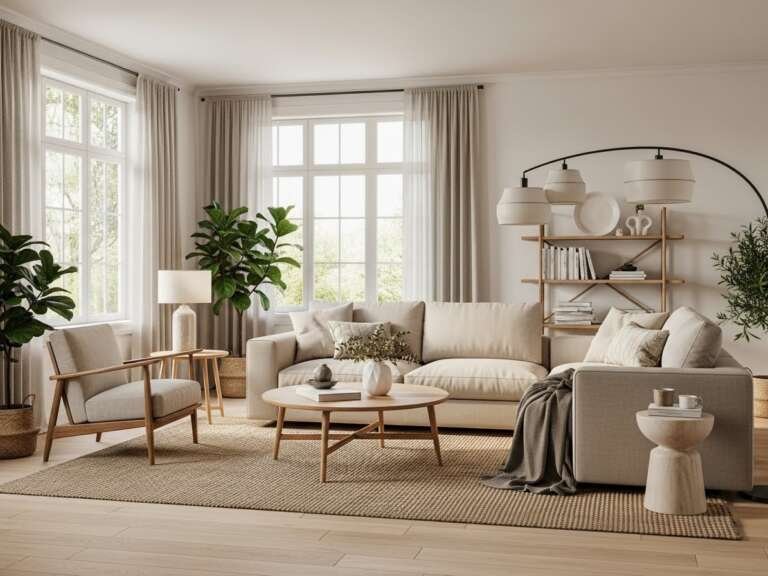
Focus first on surfaces. Clear coffee tables, side tables, and media units. Keep only items that support relaxation or connection. Evaluate decor honestly. If it does not enhance the atmosphere or hold personal meaning, it adds visual noise. Limit duplicates. Multiple throws, extra cushions, or unused electronics quietly create clutter without adding value.
A decluttered living room should invite you to sit down without distraction.
How to Declutter Your Home Starting With the Kitchen
The kitchen affects daily routines more than any other space. Clutter here creates friction multiple times a day.
Begin with cabinets and drawers. Remove items you do not use weekly or monthly. Excess utensils, duplicate tools, and novelty gadgets are common clutter sources. Check food storage areas. Expired items, unused appliances, and mismatched containers take up valuable space. Keep countertops clear except for essentials. Visual simplicity improves focus and efficiency when cooking.
A streamlined kitchen saves time and reduces decision fatigue.
Decluttering Bedrooms for Better Rest
Bedrooms should support rest, not storage. Unfortunately they often collect clothes, paperwork, and forgotten items.
Start with clothing. Remove pieces that do not fit, feel comfortable, or reflect your current lifestyle. Clear bedside tables. Limit items to those used nightly or in the morning. Avoid under bed clutter unless items are seasonal or necessary. When you declutter your bedroom, you improve sleep quality and emotional calm.
Bathrooms That Feel Functional and Calm
- Bathrooms accumulate clutter through half used products and expired items.
- Edit aggressively, Keep products you actively use and discard the rest.
- Simplify storage, Group items by function rather than brand or appearance.
- Clear countertops to create a clean visual reset each morning.
- Decluttering bathrooms is fast and highly rewarding.
Emotional Clutter and Letting Go Without Guilt
Learning how to declutter your home often brings emotional resistance. Items represent past versions of ourselves, gifts from others, or imagined futures.
It is important to separate memory from objects. You can honor experiences without keeping every physical reminder. Release guilt by recognizing that keeping unused items does not benefit anyone. Letting go allows items to serve someone else or simply exit your life. Decluttering is not wasteful when it creates space for what truly matters.
How to Declutter Your Home and Keep It That Way
Decluttering once is helpful. Maintaining it is transformative.
Create clear homes for items. When everything has a designated place, clutter struggles to accumulate. Adopt one in one out awareness. New items should replace old ones, not add to them. Schedule regular resets. Monthly or seasonal reviews prevent buildup. Buy intentionally. Pause before purchasing and consider where the item will live. Maintenance turns decluttering into a lifestyle rather than a project.
Decluttering for Different Life Stages
- Your home should evolve as your life changes. What worked before may no longer fit.
- Families with children need systems that prioritize accessibility and flexibility.
- Remote workers benefit from streamlined workspaces and reduced visual distraction.
- Downsizing or transitioning homes requires more frequent editing.
- Learning how to declutter your home is an ongoing skill that adapts with you.
The Long Term Benefits of a Decluttered Home
A decluttered home supports clarity, focus, and emotional balance. It saves time, reduces stress, and improves daily routines.
When your space reflects your current needs, you move through life more intentionally. Decisions become easier. Cleaning takes less effort. Your home becomes a place of restoration rather than obligation.
Decluttering is not about having less. It is about making room for what truly supports your life.
Final Thoughts on How to Declutter Your Home
Understanding how to declutter your home is about more than removing excess. It is about designing a space that works for you today and evolves with you tomorrow.
When you choose intention over accumulation, clarity over chaos, and purpose over habit, your home becomes a powerful tool rather than a constant task. Decluttering is one of the most practical forms of self care. The benefits compound over time, creating a space that supports your goals, your energy, and your peace of mind.
FAQs About How to Declutter Your Home
How long does it take to declutter your home properly
The timeline depends on home size, clutter volume, and decision speed. Most people see meaningful results within a few focused sessions rather than one massive effort.
What is the biggest mistake people make when decluttering
The most common mistake is organizing items instead of removing excess. Decluttering requires decisions before storage.
How do I stay motivated while decluttering
Break tasks into small wins and focus on visible progress. Momentum builds motivation naturally.
Is it better to declutter by room or by category
Both methods work. Decluttering by room suits visual learners while category based decluttering helps identify duplicates.
How often should you declutter your home
A full declutter is not needed often. Light reviews every few months help maintain order and prevent buildup.
Can decluttering improve mental health
Many people experience reduced stress, improved focus, and emotional relief after decluttering their living space.


Leave a Comment