
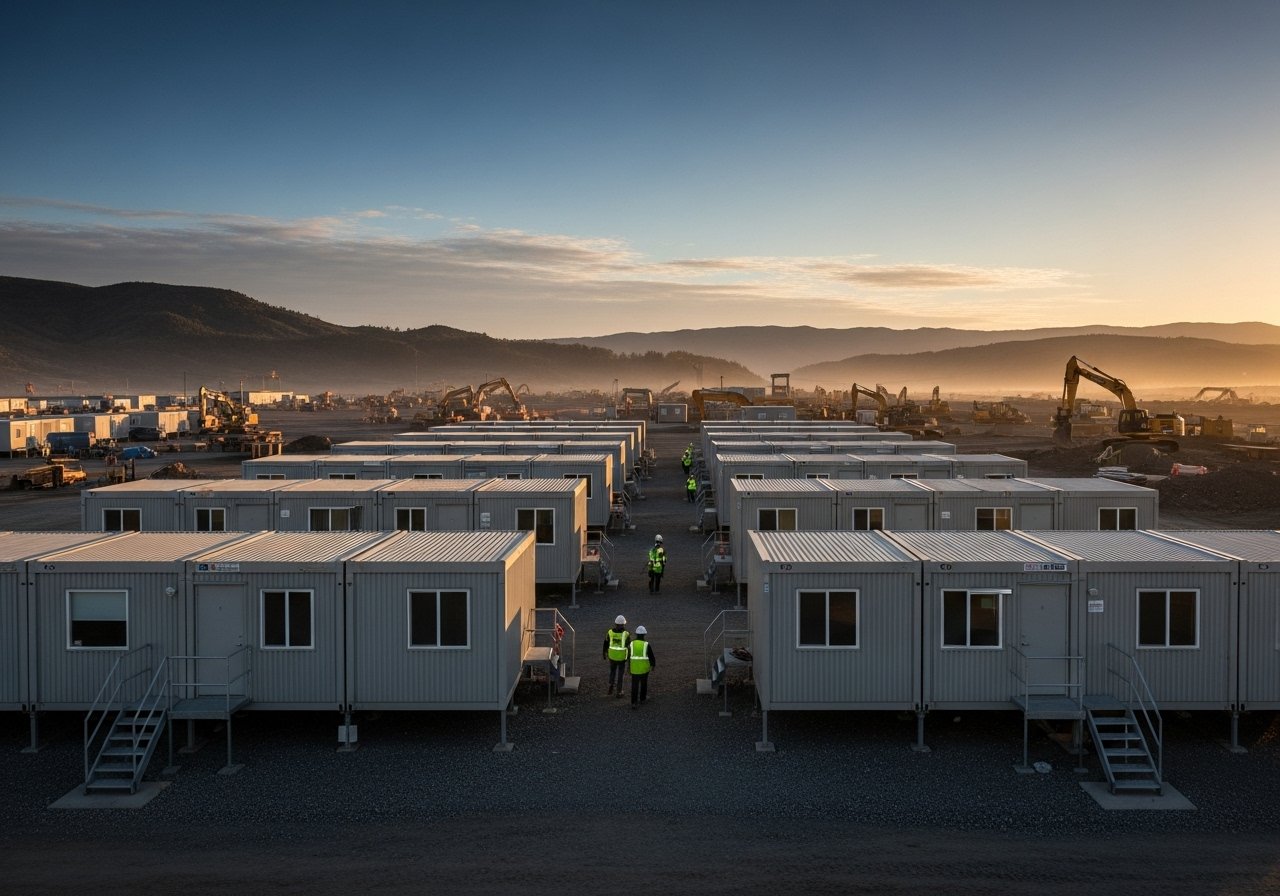

When people hear the term Caterpillar housing, they often assume it refers to residential buildings made by the Caterpillar brand or homes designed for the general public. This misunderstanding is quite common. In reality, Caterpillar housing has nothing to do with consumer real estate. Instead, it refers to worker accommodation and site-based housing facilities linked to large-scale industrial, construction, or heavy-equipment projects where Caterpillar machinery or operations are involved.
Understanding what Caterpillar housing actually means is important, especially for students, construction professionals, and anyone interested in industrial development. These housing facilities play a vital role in supporting workers, improving productivity, and ensuring that complex projects run smoothly, particularly in remote or demanding environments.
What Is Caterpillar Housing?
Caterpillar housing generally refers to employee or worker housing provided near industrial or construction sites. These accommodations are often arranged for workers who operate heavy machinery, manage construction projects, or work in mining and infrastructure development. The housing may be temporary or semi-permanent, depending on the duration and nature of the project.
Rather than being a branded housing product, Caterpillar housing is better understood as part of an operational support system. Companies involved in large projects use such housing solutions to ensure that their workforce has safe, accessible, and functional living spaces close to the job site. This reduces logistical challenges and helps maintain consistent work schedules.
Where Caterpillar Housing Is Used
Caterpillar housing is commonly found in industrial zones, large construction sites, mining areas, and remote project locations. These environments often lack nearby residential facilities, making it difficult for workers to commute daily. In such cases, on-site or nearby housing becomes essential.
Mining operations, highway construction, oil and gas projects, and large infrastructure developments frequently rely on this type of housing. Workers may need to stay near the site for weeks or even months. Caterpillar employee housing ensures they can live close to their workplace without sacrificing basic comfort or safety.
In remote regions, this type of construction worker housing becomes even more important. It helps companies attract skilled labor who might otherwise be unwilling to work far from urban areas.
Why Caterpillar Housing Matters
Caterpillar housing matters because it directly impacts worker well-being and operational efficiency. Long travel times, unsafe living conditions, or lack of accommodation can reduce productivity and increase fatigue. Providing proper housing close to the work site helps address these issues.
When workers are well-rested and live in organized environments, they perform better and are less likely to face accidents or burnout. From a management perspective, having the workforce nearby also improves coordination, reduces delays, and supports round-the-clock operations when needed.
In many industrial projects, housing is not just a convenience but a necessity. Without it, large-scale operations would struggle to function efficiently, especially in isolated locations.
Benefits of Caterpillar Housing
One major advantage of Caterpillar housing is proximity. Living close to the job site saves time, reduces transportation costs, and ensures workers can respond quickly to operational needs. This is particularly valuable during tight project schedules or emergency situations.
Cost efficiency is another benefit. While setting up housing requires investment, it often proves more economical than daily transportation or frequent worker turnover. Companies can also manage their workforce more effectively when accommodation is centralized.
Improved living conditions also contribute to higher morale. Clean, safe, and structured housing supports physical and mental well-being, which ultimately reflects in better performance and lower absenteeism.
Important Considerations
Despite its benefits, Caterpillar housing comes with certain considerations. Location dependency is a key factor, as such housing is usually tied to specific project sites and may not be useful once the project ends. This makes planning essential, especially for temporary housing solutions.
Another consideration is maintenance. Worker accommodation requires regular upkeep to meet safety and health standards. Poorly maintained housing can quickly lead to dissatisfaction and operational issues.
There is also a distinction between temporary and permanent housing. Short-term projects may rely on modular or portable units, while long-term operations might invest in more stable structures. Choosing the right option depends on project duration, budget, and workforce size.
Conclusion
Caterpillar housing plays a crucial role in supporting large-scale industrial and construction projects. Rather than being a consumer housing product, it refers to employee and construction worker housing solutions connected to heavy-equipment operations and demanding work environments.
By providing safe, nearby accommodation, Caterpillar housing improves worker safety, productivity, and overall operational efficiency. It allows companies to manage their workforce effectively, especially in remote or industrial zones where standard housing options are limited.
Understanding the true meaning of Caterpillar housing helps avoid confusion and highlights its importance in modern construction and industrial development. As projects continue to grow in scale and complexity, industrial housing solutions like these will remain an essential part of successful operations.



Leave a Comment