
Introduction
As the effects of climate change become more visible, homeowners are increasingly rethinking how their homes are built and operated. Sustainable housing is no longer a luxury; it’s a practical response to environmental and economic challenges. Research shows that environmentally conscious homes can reduce energy consumption by nearly half, dramatically cutting emissions and utility costs. What once began as experimental architecture has now evolved into smart, stylish, and resilient living spaces. By 2026, eco-friendly home designs are expected to combine advanced technology with nature-inspired solutions. This article highlights the most influential sustainable home types and construction trends shaping the future.
Advantages of Eco-Friendly Home Designs
Green home designs offer benefits that go far beyond helping the planet. They improve daily living while providing long-term financial and health advantages.
Reduced Environmental Footprint:
Eco-conscious homes are designed to use fewer natural resources and generate less waste. Features such as green roofs support wildlife, manage rainwater naturally, and reduce urban heat, while efficient building methods help divert massive amounts of waste away from landfills.
Lower Living Costs:
Energy-efficient appliances, insulation, and renewable power sources significantly reduce monthly utility bills. Many sustainable homes save homeowners hundreds of dollars each year, with some producing as much energy as they consume.
Improved Health and Comfort:
Using non-toxic, low-emission materials improves indoor air quality and reduces exposure to harmful chemicals. Enhanced ventilation systems and natural materials like wool or untreated wood contribute to healthier, more comfortable living spaces.
Higher Property Value:
Homes equipped with green certifications and energy-saving features often command higher resale prices, typically outperforming traditional homes by several percentage points.
Popular Types of Eco-Friendly Homes in 2026
Sustainable housing continues to evolve, offering options for a wide range of needs, budgets, and climates. The following designs are expected to dominate in 2026:
Net-Zero Energy Homes:
These homes generate enough renewable energy often through solar panels to meet their own needs. High-performance insulation, energy-efficient systems, and smart controls make them especially popular in urban and suburban settings.
Passive Solar Homes:
Designed to capture and retain natural heat, passive solar homes rely on strategic orientation, thick walls, thermal mass, and advanced windows. They reduce dependence on mechanical heating and cooling systems while performing well across different climates.
Tiny and Micro Homes:
Usually under 900 square feet, these compact dwellings prioritize simplicity and efficiency. Many include off-grid features such as solar power, composting toilets, and rainwater collection, making them ideal for minimalist or mobile lifestyles.
Modular and Prefabricated Homes:
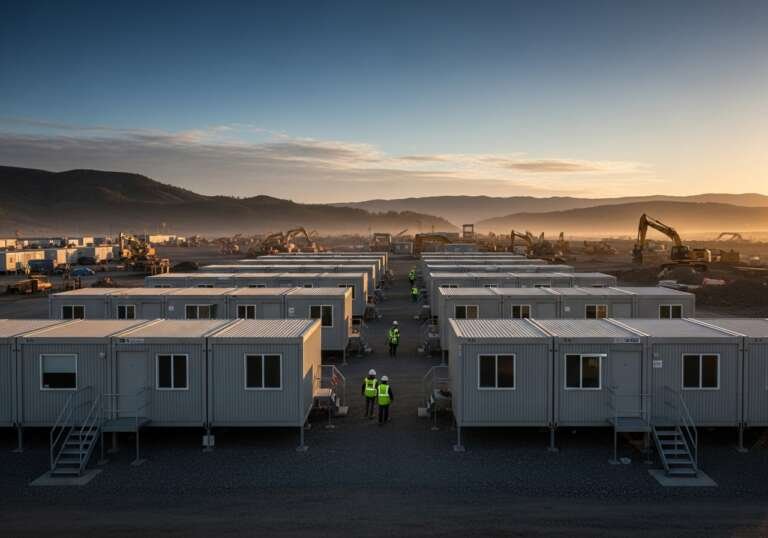
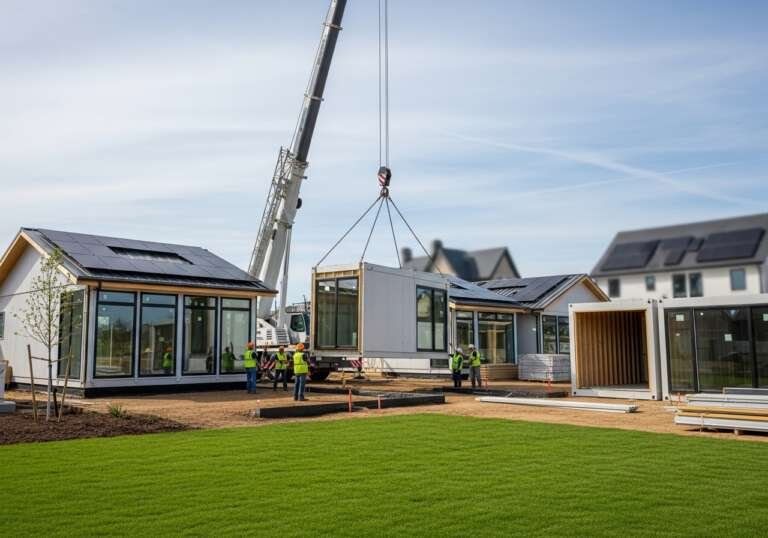
Factory-built components reduce construction waste and shorten build times. These homes frequently incorporate recycled materials and smart technology, offering an affordable and scalable approach to sustainable living.
Modern Cottages and Barndominiums:
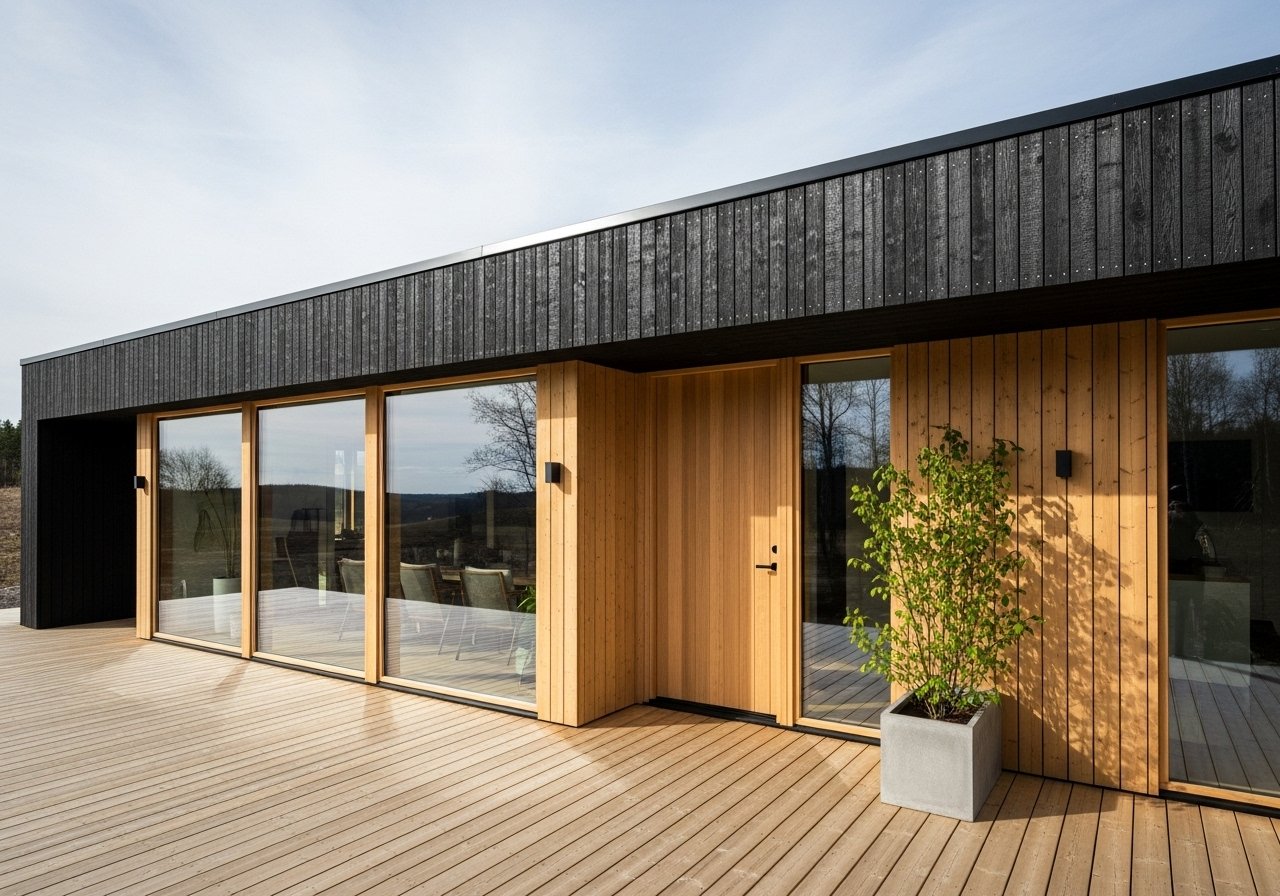
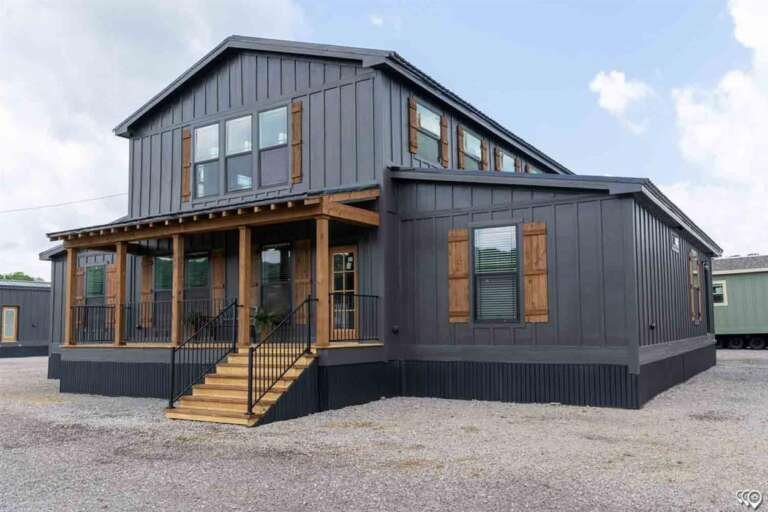
Blending traditional aesthetics with modern efficiency, these homes use natural materials, open layouts, and durable structures like steel frames. Their charm and sustainability make them increasingly popular in rural and semi-rural areas.
Earth-Based and Reclaimed Homes:
Built using materials such as rammed earth, straw bales, or repurposed structures, these homes have minimal environmental impact and strong climate resilience. Earthships and adaptive reuse projects are common examples.
Essential Features Driving Eco-Friendly Construction
The success of sustainable homes in 2026 depends on innovative building techniques and thoughtful material choices.
Eco-Conscious Materials:
Builders are turning to renewable and recycled materials like bamboo, reclaimed timber, recycled steel, hempcrete, and mycelium-based composites to reduce embodied carbon.
High-Efficiency Energy Systems:
Solar-ready rooftops, geothermal heating, triple-glazed windows, and intelligent HVAC systems significantly reduce energy consumption while maintaining comfort.
Water Conservation Strategies:
Rainwater collection, greywater reuse, and native landscaping help conserve water. Green roofs also improve insulation and manage runoff more effectively.
Smart and Wellness-Oriented Technology:
Automated lighting, AI-powered thermostats, and biophilic design elements enhance energy efficiency while supporting mental and physical well-being.
Long-Lasting, Circular Design:
Homes are increasingly designed for durability, easy repair, and reuse, encouraging a “build once, build well” mindset that minimizes long-term waste.
Emerging Sustainable Housing Trends for 2026
Looking ahead, new ideas are reshaping eco-friendly home design.
Nature-Inspired Materials:
Innovations include furniture made from fungi, algae-based textiles, and finishes derived from natural sources, offering both sustainability and modern style.
Climate-Adaptive Homes:
Designs tailored to local environmental risks such as flood-resistant floating homes or storm-hardened structures are gaining attention, particularly in vulnerable regions.
More Affordable Green Solutions:
Prefab kits, composting systems, and efficient appliances are making sustainable living more accessible for households with smaller budgets.
How to Begin Your Eco-Friendly Home Journey
Transitioning to sustainable housing can be straightforward with the right approach.
Evaluate Your Situation:
Consider your location, climate, budget, and lifestyle needs to determine the most suitable design and materials.
Work with Specialists:
Green architects and builders can help you navigate sustainable options and tailor solutions to your project.
Take Advantage of Incentives:
Government programs and tax credits for renewable energy and efficiency upgrades can significantly reduce upfront costs.
Learn from Real Examples:
Projects like solar-powered modern homes in Southampton or water-efficient housing in Argentina demonstrate how sustainable design works in practice.
Conclusion
Eco-friendly home designs in 2026 represent a powerful blend of innovation, responsibility, and comfort. From net-zero and passive solar homes to advanced materials and smart systems, sustainable housing offers solutions that benefit both people and the planet. Whether you’re building from the ground up or upgrading an existing home, embracing eco-conscious design today is a meaningful step toward a healthier, more resilient future.
Leave a Comment