
Finding a place to live is easy. Finding a place where a family can grow, adapt, and thrive over time is something else entirely. The moment children enter the picture, housing decisions stop being about square footage alone and start becoming about comfort, safety, flexibility, and future readiness. This is why understanding the best home types for families is not just helpful but essential. The right home does more than provide shelter. It supports daily routines, creates emotional stability, and quietly shapes family life for years to come.
Families today face more choices than ever before. From compact urban townhouses to expansive countryside farmhouses, each option offers a distinct lifestyle experience. The challenge lies in identifying which home type aligns with your family’s present needs while still accommodating the future.
Introduction: Choosing the Best Home Types for Families
Each family is rhythmically different. Others do well in hurried areas near schools and places of work. Others require space, privacy and room to breathe. The decision of the most appropriate home type among families involves how a home will operate even after the move in day. A family friendly house must develop with change in the growth of children, shifting in the routine, and priorities.
Good family homes may not necessarily be the large family homes or the costliest. It is they that strike a balance between layout, location, affordability and longevity of use. This homecare guide is practical and relates to the types of homes that are family centered that have real life practicality in their construction, as they do not need changing.
Key Factors Families Should Consider Before Choosing a Home
Families must understand what is really important before making comparisons on architectural style or the size of their property. The first issue is usually space. Beds, common rooms, storage and multitask rooms are important in sustaining peaceful coexistence in the home. An arrangement that isolates space of quietness to the space of activity will help a lot in improving everyday life.
The environment and safety are also of great concern. The layout of the neighborhood, its flow, social interaction, and the availability of the essential services determine how comfortable the children are growing up in a certain neighborhood. The budgetary issues extend beyond price of purchase. Home maintenance expenses, utilities and long term value are what determine whether the home would be financially viable or not.
Lastly, the close distance to schools, parks, health facilities, and places of work affect time management and stress levels. The most desirable form of homes in the family is the one that blends well into the lives of people instead of making life difficult.
Single Family Homes as a Foundation for Family Living
There is a reason why single family homes still lead the topic of the discussion of the best types of homes to have as a family. The benefits of these homes are independence, privacy, and adaptability, which would mean a lot to a number of parents. The unattached building enables individuals to regulate the volume of noise, personalize the space and afford to have their own outdoor space.
In the case of growing families, single family dwellings give them the liberty to add or remodel with change in their needs. A stable environment and playgrounds are beneficial to the children, whereas parents enjoy not sharing common walls and facilities.
But it can be difficult, maintenance duties and increased expenses. Such houses are most suitable to families in need of permanency, they require time to stay at that particular house and fully personalize their living environment.
Townhouses and the Rise of Community Based Family Living
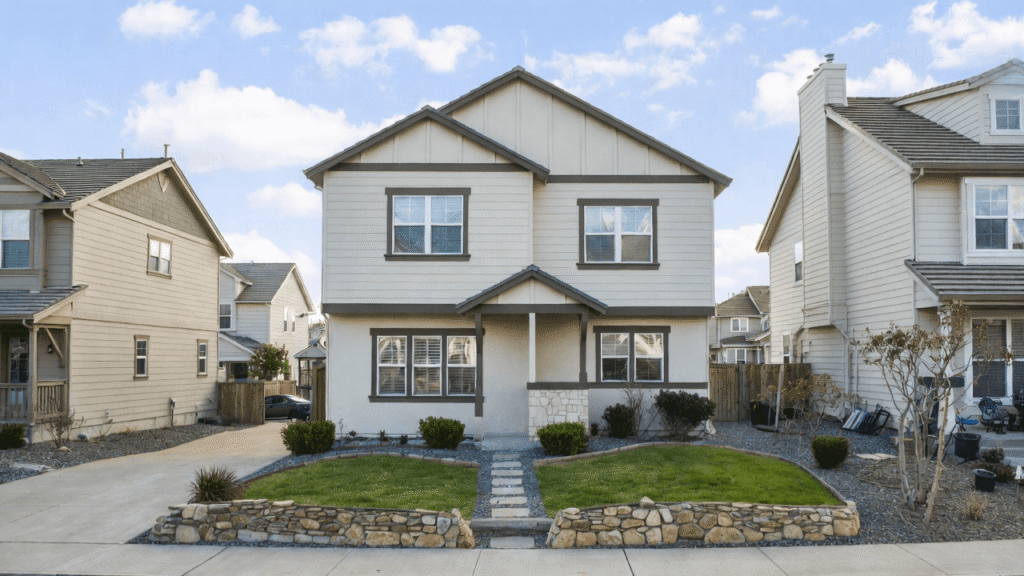
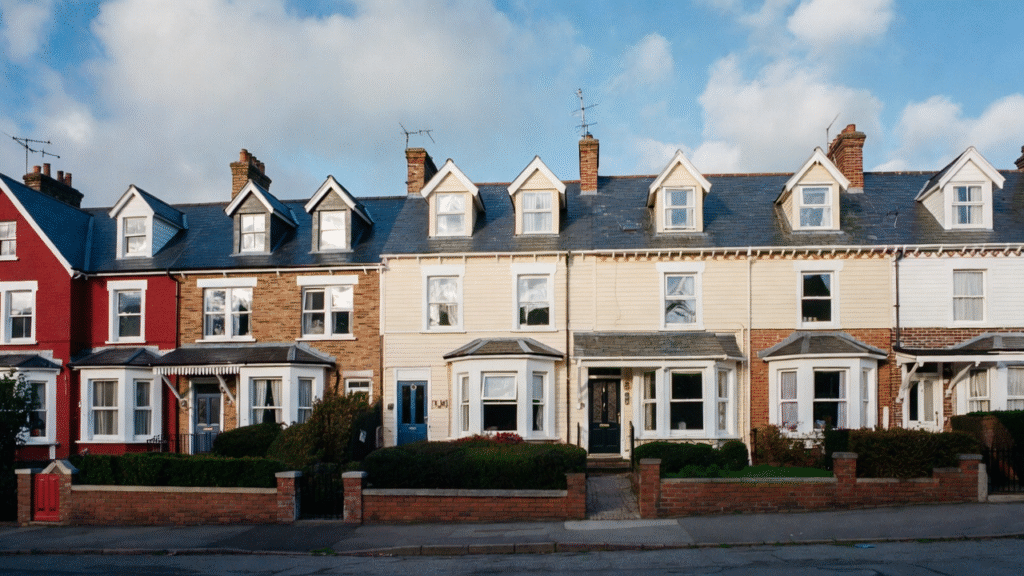
Townhouses have become another formidable competitor as one of the best forms of houses amongst families and particularly in urban and suburban area. They are affordable and functional at the same time, and come with different levels of living space at a price that is not as much as that of detached houses.
A number of the townhouse communities are family oriented. One can share green areas, playgrounds, and walking paths and preserve personal areas of residence. This community feeling becomes priceless to families whose children are still young.
The trade off is usually indirectly manifested in the common side walls and limited exit space. Nevertheless, townhouses can provide an easy and cheaper alternative to those families who care more about the place and its security, as well as affordable maintenance.
Duplexes and Multi Family Homes for Extended Households
Multi generation living is increasingly gaining ground and thus duplexes and multi family homes are very viable in debates on the most appropriate type of homes to have. These properties enable relatives to reside together but in a different place of living.
This type of arrangement promotes collective child care, financial savings and emotional bonding between generations. The support systems available in families are designed to take the daily workload off a family and improve healthy bonds amongst members.
In these homes, privacy control and tangible demarcations are needed to achieve success. Duplexes can offer the right blend and freedom of choice and unity when planned well.
Condominiums and Low Maintenance Family Lifestyles
Condominiums are not the first in the list when the idea of the most appropriate home type is under discussion, but they have particular benefits that particular families can have. Being able to live without any maintenance, increased security and availability of amenities can contribute greatly to the decrease of stress daily.
The condos are especially popular with the families that are small, or people who reside in urban areas. The use of common amenities, like gyms, play areas, and community rooms, is an added value with no additional burden on the person’s responsibilities.
There is space constraint and restrictions of the home owners association. The families buying condominiums should take the layout efficiency and long term suitability to the growth of children.
Ranch Style Homes and Single Level Comfort
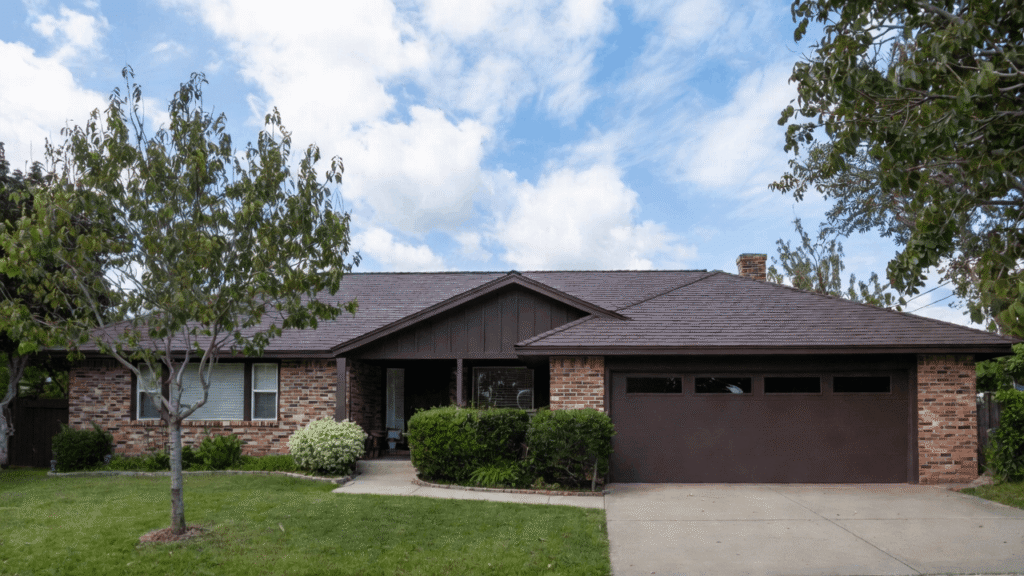
Ranch style homes tend to be ignored as one of the most suitable types of homes to have when people want the family to be safe and conveniently located. Their single level structure has removed stairs, lowering risks of small children and support all the members of the family regardless of their ages.
These houses are characterized by open spaces and free circulation of internal and external settings. Parents are easier to control children, and daily routine becomes more familiar.
Although ranch residential houses might need premium size plots of land, such houses could be simple, cozy and flexible as plainly visible to many households.
Split Level Homes and Functional Zoning
Split level houses are an addition to the normal way of living in a family as the spaces are divided between staggered levels. Naturally, this type of design provides areas of sleeping, work, and socialization, and thus this allows the family to have an older child or that has different schedules.
Such advantages include privacy and noise control. There is no need to lose shared family areas of teenagers and their parents who enjoy personal space.
Nevertheless, the fact that it has several staircases might be unsuitable among the families. The decision of this option as one of the most appropriate variant of home among the group of positive ones must pay attentive attention to the question of accessibility.
Farmhouses and Space Driven Family Living
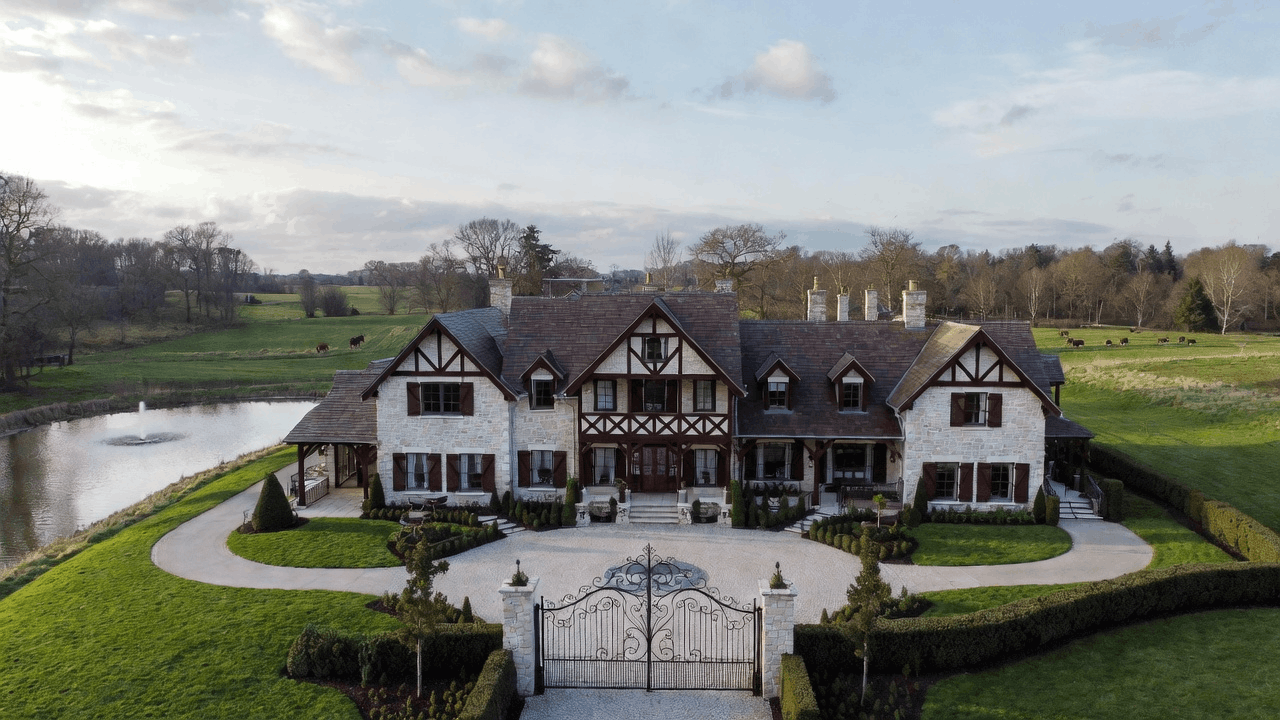
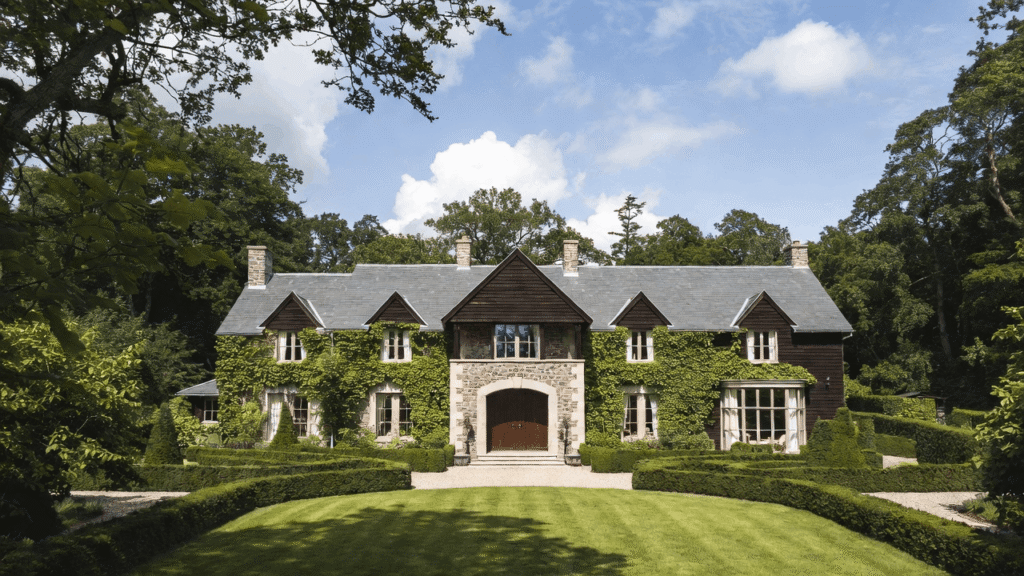
Farmhouses are one of the best home types of houses that are most lifestyle oriented to the family. These residences focus on space both in and out of the house, and enable the families to re-connect with the natural world and have a slower lifestyle.
Massive kitchens, open living spaces, and big yards promote family bonding as well as outdoor games. Farmhouses attract families in special attention because of the privacy, creativity, and autonomy the houses provide.
Depending on people and places, location may be a weakness, particularly concerning commuting and access of services. Nevertheless, to families who value space and quiet homes offer benefits unparalleled by any other building.
Modern Homes Designed Around Family Needs
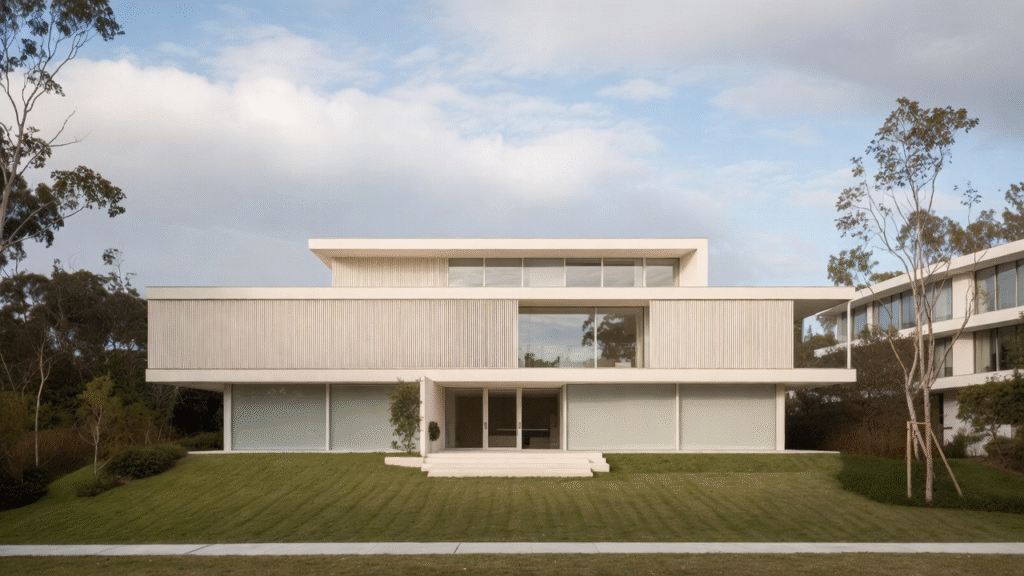
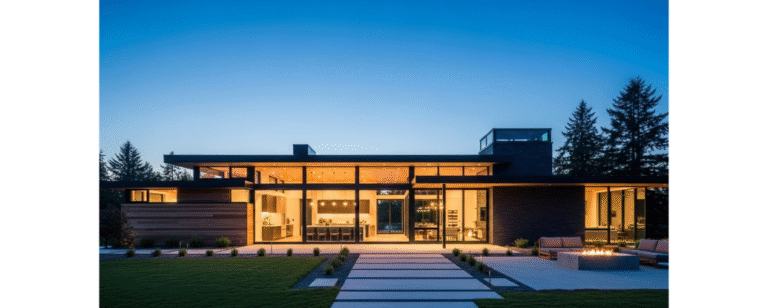
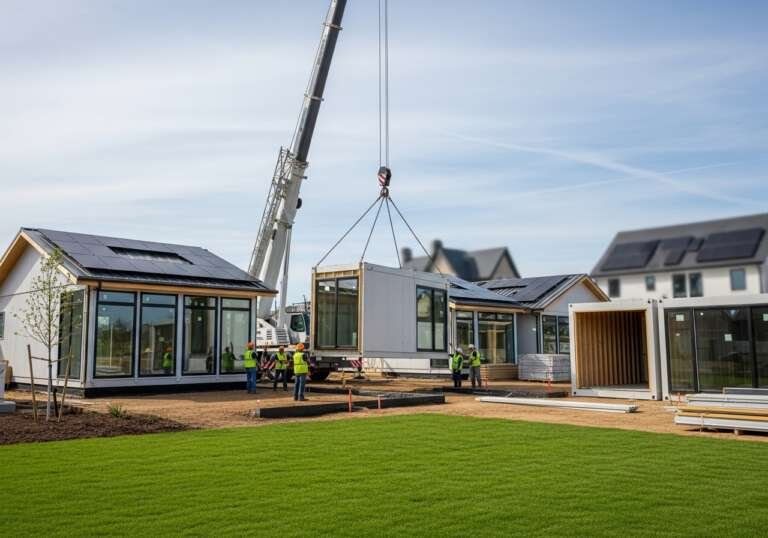
The concept on the ideal type of homes that can suite families has been reinvented in modern houses. Considerable design, intelligent technology, and energy efficiency serve the modern family living styles.
The open floor plans facilitate the connection and the flexible rooms facilitate working at home and changing the needs. Comfort and safety are promoted by the use of smart security systems, climate control, and energy saving.
Cost is the key factor to consider. Most of the modern homes are priced higher but come with long term savings and flexibility to warrant the investment to most households.
Apartments as Practical Urban Family Homes
The use of apartments still influences the urban family life. They would be one of the very best forms of homes when they are well designed with location and convenience being key factors of interest in families.
The proximity to urban transport, cultural facilities, and schools attracts the families living in cities to rent apartments. The use of effective layouts and common facilities is useful in utilising space.
The absence of individual outside space and noises may be hard. Families who have apartments in mind should be concerned with the sound insulation, layout functionality and the quality of communities.
Comparing the Best Home Types for Families in Real Life
All types of homes have different functions. There is no single choice that is applicable to all families. All one has to do is know how space, cost and maintenance and lifestyle interact. Successful families who are able to select the appropriate home do not pay attention to trends so much but needs to be easily used in their day to day activities as well as being comfortable in the long term.
Best Home Types for Families Based on Lifestyle Choices
Big families usually enjoy the large family homes or farm house where space is not a problem. Single-family households can be interested in townhouses or condominiums which will offer efficiency and comfort. Duplex apartments and distant work families prefer the types of multi generational houses, and modern houses with adaptable design inclinations.
The alignment of the lifestyle should be considered as much as the physical outline in choosing among the top types of homes to be used by families.
Budget Friendly Approaches to Family Home Selection
Cheapness is not an analog of cheapness. Several families have been successful because they put more emphasis on the quality of the layout and not the size and long term costs, not the initial prices. When it comes to townhouses, duplexes and condos, the value can be high in cases where strategic selection is done.
Intelligent budgeting is a guarantee of financial stability and the family can work on developing more than on hard work.
Future Proofing the Family Home
The most suitable forms of homes to have a family are the ones that are flexible with time. Long term investment is safeguarded by flexibility of spaces, potential to renovate spaces, and high value of resale. Homes that are conducive to shifting family dynamics are useful and relevant over an extended period of time.
Common Mistakes Families Make When Choosing a Home
There are not the most common needs which families think about in the future, no attention is paid to the areas where they will live, or maintenance duties are not properly assessed. These pitfalls should be avoided by careful planning and prudent evaluation of the priorities in lifestyle.
Expert Insights on Choosing the Best Home Types for Families
The most effective home buying process starts with posing the correct questions. What will be the role of this space within five or ten years? Is it in favor of personal privacy as well as family bond. Guidance could be offered by professionals, but families need to make decisions in line with their long term vision.
Conclusion: Finding the Perfect Home for Your Family
The problem of finding the most appropriate types of homes to live in by families is a problem of search for equilibrium. Successful family homes are characterised by fun, safety, low prices, and flexibility. These families will be able to settle on homes that expand with them and facilitate meaningful lives because they do not pay much attention to trends but practical functionality of the home.
Frequently Asked Questions
What are the best home types for families with young children?
Homes with safe layouts, private outdoor spaces, and family friendly neighborhoods such as single family homes and ranch style homes are often ideal.
Are townhouses considered among the best home types for families?
Yes, townhouses offer affordability, efficient layouts, and community features that appeal to many families.
Which home types work best for multi generational families?
Duplexes and multi family homes provide separate living areas while maintaining close proximity.
Do modern homes suit family living?
Modern homes are designed with flexibility, technology, and efficiency, making them highly suitable for contemporary families.
How do families choose between space and location?
The best decision balances daily convenience with long term comfort, prioritizing what supports family routines and future needs.
Leave a Comment