
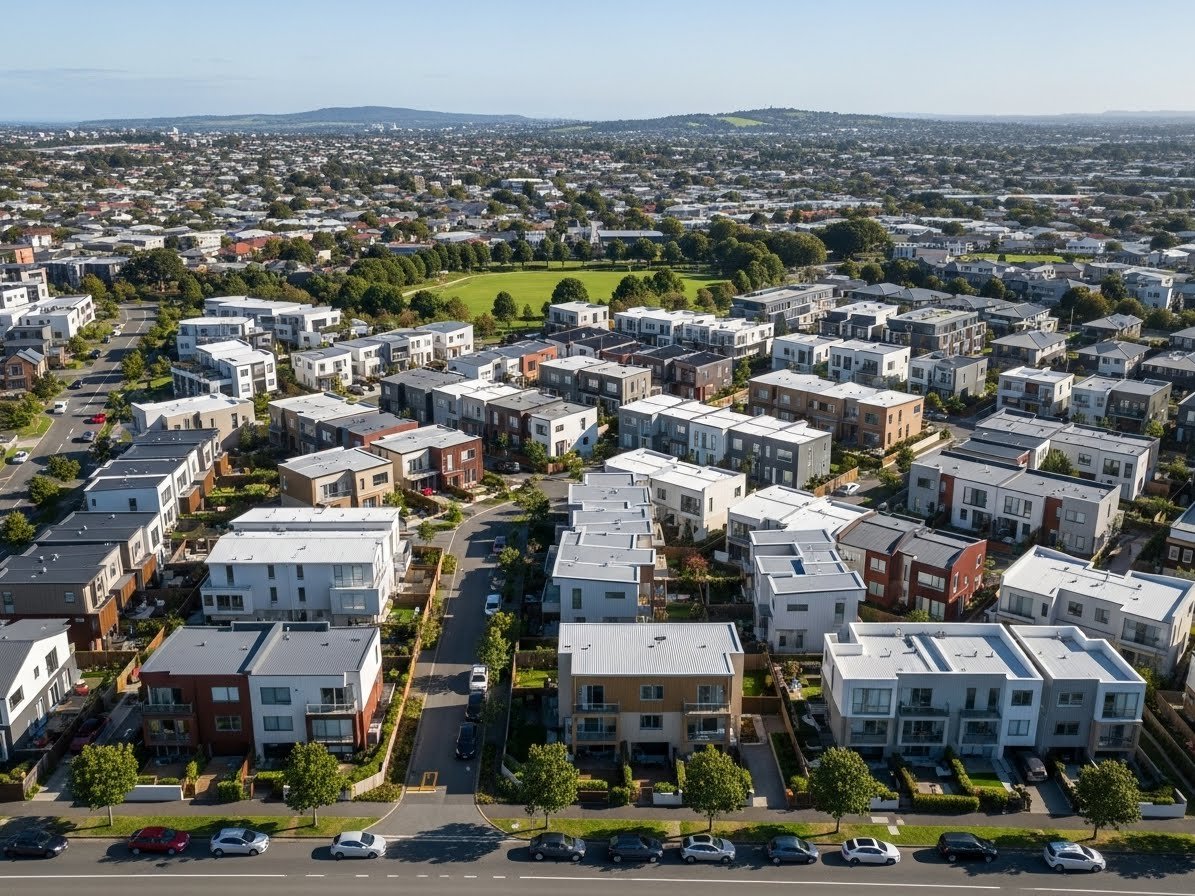

One of the most fundamental things of human life is housing. The location is a determining factor of the comfort, safety, and livelihood. The concept of housing has over the years, developed to less developed housing forms, but a well-planned and well thought housing that meets the community needs. One of these new trends is the concept of a special housing area, which has become more significant.
A special housing area is not just a residential area. It is a well-thought out area that is aimed at a certain target – social, environmental, or economical. Such spaces are frequently designed to encourage integrated living, green building or specific housing options to the particular communities, including elderly people, college students, families with low income, or individuals with special needs.
This article will discuss why a special housing area is different, its purpose, types, benefits and why it is important in creating stronger and well-balanced communities.
What Is a Special Housing Area?
A special housing area (SHA), also known as a special housing development, is a specific residential area that is planned and created in accordance with certain rules of planning and development to support the specific needs of housing or to develop faster. They are usually sanctioned by government agencies or local authorities as a means of addressing immediate housing issues, including the lack of affordable housing or living in a place of easy access.
In basic terms, a special housing area is a solution-oriented residential area developed with a specific aim in mind which is to offer housing that serves a specified social, economic or environmental objective.
Some examples include special housing areas that are constructed to rapidly boost the supply of housing in cities with a rapidly growing population, and others aim at sustainable and environmentally friendly living or housing people with mobility impairments.
The Purpose Behind Special Housing Areas
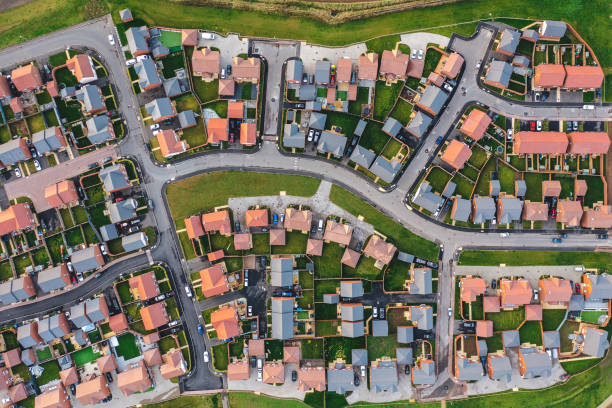
The main objective of having a special housing area is to bring a balance between housing demand and supply. Urbanization has caused congested cities and expensive houses in most areas. Special housing areas are a policy implemented by governments and local authorities in an attempt to accelerate construction and to make housing more affordable to all.
Nevertheless, these regions are not only places of economic interest. They also encourage social inclusion, environmental responsibility and community well-being.
The special housing areas have some common objectives that include:
- Affordable Housing Development
To offer quality homes to their families or individuals that cannot afford high market prices. - Senior and Assisted Living
To provide secure, comfortable homes to the older residents, frequently with homes providing services on-site and communal areas. - Eco-Friendly and Sustainable Living
To promote a healthy planet through energy efficient designs, green spaces and renewable technologies.. - Inclusive Communities
To support people with disabilities or special needs by ensuring that homes and public spaces are fully accessible. - Urban Renewal and Revitalization
To turn underdeveloped or neglected neighborhoods into new and lively places to live.
Characteristics of a Special Housing Area
Depending on size, locale or specialization, each special housing area has particular differences, although they typically have some distinctive features that distinguish them in comparison to conventional residential areas.
- Planned Development
The special housing areas have a systematic design plan that is approved by the local authorities. All the features are made to be functional, accessible as well as sustainable, such as layout, landscaping, etc.
- Speed and Efficiency
Special housing areas tend to be constructed and approved within less time to provide housing services to demand as a result of high demand.
- Community Facilities
Most SHAs have common areas such as parks, playgrounds, community halls and fitness areas to help foster a sense of belonging and socialization.
- Accessibility and Safety
These spaces have been designed to be accessible with many paths, ramps, pedestrian crossings and concise indicators to individuals of all ages and capacities.
- Sustainable Design
The design is usually designed using environmentally friendly materials, efficient lighting and renewable sources of energy to minimize carbon footprint and utility costs.
Benefits of Living in a Special Housing Area
A special housing area has a number of advantages both to the individuals and to the community at large.
- Homeless Permanent Housing.
There are numerous SHAs that are developed that would allow housing to become easier to the middle and low-income population. This will encourage equality and everyone has an opportunity to live in a safe and comfortable environment.
- Strong Sense of Community
Since such places commonly have common spaces and activities in a community setting, people will be more inclined to form social bonds. This feeling of belonging positively influences safety, trust and emotional wellbeing.
- Better Services and Infrastructure.
The special housing areas have well-planned roads, schools, medical centers, and means of transport and the residents of these areas have a better lifestyle.
- Environmental Benefits

Green housing is eco-friendly and sustainable. Green areas also enhance the quality of the air and provide a good environment to the residents.
- Faster Housing Solutions
Special housing areas offer a faster way of development in areas with deficits of housing without violating the required standards and safety measures.
Challenges in Developing Special Housing Areas
While the idea of a special housing area is promising, there are challenges that often arise during planning and implementation.
- Land Availability: Finding suitable land close to urban centers can be difficult and costly.
- Funding and Investment: Affordable housing projects require substantial funding and long-term support.
- Balancing Speed with Quality: Fast development must not compromise safety, design, or sustainability standards.
- Community Acceptance: Local communities may resist changes or new developments, especially if they fear overcrowding or environmental impact.
Overcoming these challenges requires collaboration among governments, developers, architects, and residents to ensure that special housing areas achieve their intended purpose without losing their human touch.
The Future of Special Housing Areas
The problem of housing solutions is even more topical as the overall population of the world is growing each day. The future of sustainable and inclusive urban development is special housing areas.
More of the projects that will use smart technologies can be anticipated in the future, including the energy-saving systems or digital home management, and environmentally friendly construction methods. Moreover, more focus will be directed towards constructing communities that promote interaction, safety, and well-being other than shelter.
The most successful special housing area will be the one that is balanced in terms of people, planet, and progress including all of the residents who will feel that they are supported, connected, and at home.
Final Thoughts
A special housing area is a progressive and innovative solution to the housing problem. It is an amalgamation of the systematic development and the humanity of living within a community. These domains can be created to ensure that societies take care of all people regardless of their economic status, durability, or inclusivity.
Not only buildings make a special housing area so beautiful, but also the values that it signifies, such as fairness, balance, and opportunity. With cities being developed, these intentional spaces serve a purpose to tell us that housing is not always about shelter but it is about belonging, dignity and having a brighter future.
Frequently Asked Questions (FAQs)
1. What is a special housing area?
A special housing area is a special area that is meant to promote residential development under certain conditions to meet the housing demand. It can be concerned with affordability, sustainability, accessibility or community based living.
2. Who can live in a special housing area?
The eligibility is different according to the objective of the project. Other regions are focused on first-time home buyers, the elderly, college students or low-income families whereas others can be open to anyone interested in eco-friendly or community-based living.
3. What are the main benefits of a special housing area?
The key advantages are low cost housing, neighborhood spirit, environmental design, economically built and availability of contemporary facilities.
4. How is a special housing area different from regular housing?
However, as opposed to ordinary residential development, special housing areas are developed with a specific social or environmental objective. They frequently include quicker approval, a more encompassing design, and resort to the well-being of the community.
5. Are special housing areas permanent?
Yes. Once established, these areas remain part of the city or region’s long-term housing plan. The “special” status often applies during the development phase to streamline processes, but the resulting homes are permanent residences.



Leave a Comment