
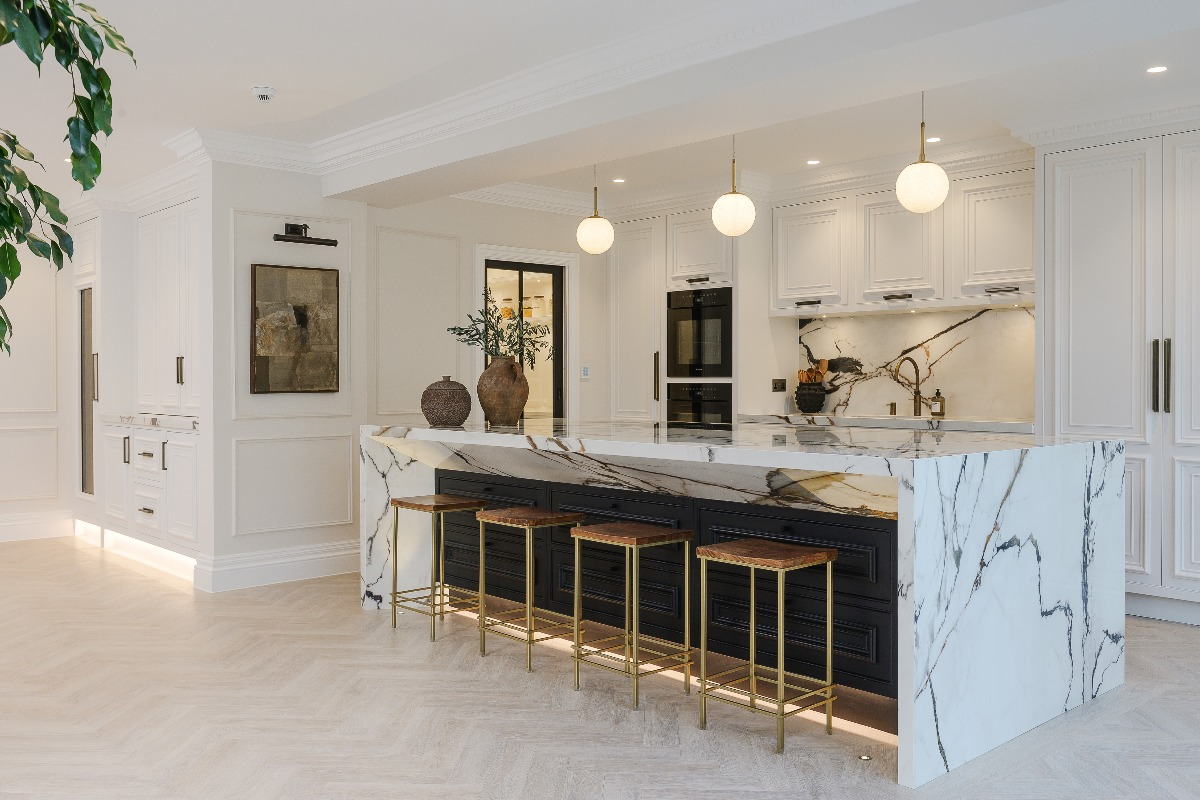

Introduction to DIY Kitchens
The kitchen is no longer just a place to cook, it’s the heart of the home, where conversations flow, meals are shared, and memories are made. That’s why more homeowners are choosing the DIY route when designing their kitchens. A DIY kitchen isn’t just about saving money; it’s about building a space that feels deeply personal, functional, and uniquely yours.
Whether you’re renovating an outdated kitchen or starting from scratch, taking a hands-on approach gives you control over every detail. From layout to finishes, a DIY kitchen allows you to transform ideas into reality, at your own pace and on your own terms.
What Is a DIY Kitchen
A DIY kitchen is a kitchen that you plan, design, and partially or fully build yourself rather than relying entirely on professional installers. This can involve assembling cabinets, installing worktops, laying flooring, fitting appliances, or simply managing the design and coordination. The level of “DIY” varies, but the common thread is involvement, decision-making, and ownership of the process.
Why DIY Kitchens Are Gaining Popularity
DIY kitchens have surged in popularity thanks to better access to flat-pack systems, online design tools, and high-quality materials made for non-professionals. Social media inspiration, rising renovation costs, and the satisfaction of creating something tangible have all fueled the movement. Homeowners are realizing they don’t need to compromise style or quality to stay within budget.
Is a DIY Kitchen Right for You
A DIY kitchen is ideal if you enjoy learning, planning, and problem-solving. You don’t need to be a master carpenter, but patience, organization, and willingness to research go a long way. If you’re comfortable tackling manageable tasks and knowing when to bring in a professional, a DIY kitchen can be incredibly rewarding.
Benefits of Building a DIY Kitchen
One of the biggest draws of a DIY kitchen is cost savings. Professional installation can take a large bite out of your renovation budget, while DIY allows you to redirect that money into better materials or appliances. Beyond finances, DIY kitchens offer creative freedom. You’re not limited to showroom packages or upsells, you build exactly what suits your lifestyle.
There’s also a deep sense of accomplishment that comes from using a kitchen you helped create. Every cabinet door, countertop edge, and lighting choice tells a story of effort and intention.
Planning Your DIY Kitchen Project
Successful DIY kitchens begin with careful planning. Rushing into decisions often leads to overspending or layout regrets. Start by setting a realistic budget that includes a buffer for unexpected expenses. DIY doesn’t mean cheap, it means smart spending.
A clear timeline helps keep the project from dragging on. Break the renovation into phases such as demolition, installation, and finishing touches. Accurate measurements are critical; even a few millimeters can affect cabinet alignment and appliance fit. Many DIY projects fail not because of skill, but because of poor planning and measurement errors.
Choosing the Perfect DIY Kitchen Layout
Your kitchen layout defines how the space functions day to day. Popular layouts like L-shaped, U-shaped, galley, and island kitchens each suit different room sizes and lifestyles. The classic kitchen work triangle, connecting the sink, stove, and refrigerator, remains a reliable principle for efficiency.
For smaller kitchens, maximizing vertical storage and keeping walkways clear can make the space feel larger. Open-plan kitchens encourage social interaction and natural light, while closed kitchens offer better control over noise and cooking smells. Choosing the right layout ensures your kitchen isn’t just beautiful, but practical.
Designing Your Dream Kitchen Style
Style is where your personality shines. Modern kitchens favor clean lines and minimal clutter, traditional kitchens offer warmth and timeless appeal, while minimalist designs focus on simplicity and calm. Color plays a powerful role lighter tones open up small spaces, while darker shades add drama and depth.
Balancing aesthetics with functionality is key. A stunning kitchen that lacks storage or workspace quickly becomes frustrating. Current DIY kitchen trends lean toward natural textures, mixed materials, matte finishes, and smart storage that keeps surfaces uncluttered without sacrificing style.
DIY Kitchen Cabinets and Storage Solutions
Cabinets form the backbone of any kitchen. Stock and flat-pack cabinets are popular DIY choices because they’re affordable, customizable, and easy to assemble. Custom cabinets offer a perfect fit but require more skill and time.
Material selection matters solid wood, plywood, and MDF each have strengths depending on budget and usage. Smart storage solutions like pull-out shelves, corner units, and vertical dividers help make the most of every inch. Installing cabinets requires precision, patience, and proper leveling, but the results are transformative.
Worktops and Countertops: DIY Options
Worktops are both functional surfaces and visual focal points. Laminate is budget-friendly and easy to install, while wood adds warmth but requires maintenance. Quartz and stone provide durability and luxury but may need professional cutting.
Accurate measurement and careful handling are essential during installation. Sealing and maintaining your worktops properly ensures they stay beautiful for years. Choosing the right material depends on how you use your kitchen and how much upkeep you’re willing to manage.
DIY Kitchen Appliances: What to Know
Appliances should complement both your layout and cooking habits. Energy-efficient models reduce long-term costs and environmental impact. Built-in appliances offer a seamless look, while freestanding options provide flexibility and easier replacement.
Placement matters more than many people realize. Poor appliance positioning can disrupt workflow and reduce efficiency. Safety is critical always follow manufacturer instructions and know your limits when installing appliances.
Plumbing and Electrical Work in DIY Kitchens
Some aspects of kitchen renovation require professional involvement. While basic plumbing tasks like replacing taps may be DIY-friendly, complex pipework or electrical wiring should be handled by licensed experts.
Understanding local codes and regulations is essential to avoid safety hazards and future issues. Planning electrical points, lighting circuits, and water connections early prevents costly changes later in the project.
DIY Kitchen Flooring Options
Kitchen flooring must withstand moisture, spills, and heavy foot traffic. Tile offers durability, vinyl provides comfort and water resistance, and laminate delivers style at a lower cost. Installation methods vary, but preparation is always key.
Budget-friendly flooring doesn’t mean compromising quality. With proper installation and care, even affordable materials can last for years while maintaining their appearance.
Lighting Your DIY Kitchen
Lighting transforms how a kitchen looks and feels. Ambient lighting sets the overall tone, task lighting supports food preparation, and accent lighting adds depth and character. Thoughtful lighting design enhances both mood and functionality.
DIY installation is possible for many lighting upgrades, but safety precautions are essential. Well-planned lighting makes your kitchen more inviting and easier to use throughout the day.
Backsplashes and Finishing Touches
Backsplashes protect walls while adding personality. From classic tiles to peel-and-stick options, DIY backsplashes are accessible and impactful. Small finishing touches like handles, fixtures, and accessories bring the entire design together.
Often, it’s these final details that elevate a kitchen from ordinary to exceptional.
Tools and Materials Needed for a DIY Kitchen
Having the right tools makes DIY work smoother and safer. Essential tools include measuring equipment, drills, levels, and cutting tools. Quality materials and proper safety gear reduce mistakes and protect you during installation.
Preparation isn’t glamorous, but it’s one of the most important steps in a successful DIY kitchen project.
DIY Kitchen Costs: Breakdown and Budget Tips
DIY kitchens typically cost significantly less than professionally installed ones, but expenses vary based on materials and scope. Knowing where to save such as assembly and installation and where to invest like worktops and appliances, helps maintain balance.
Hidden costs like delivery fees, waste disposal, and minor repairs can add up, so budgeting carefully keeps surprises to a minimum.
Common DIY Kitchen Challenges and How to Overcome Them
Time management is one of the biggest challenges. DIY projects often take longer than expected, especially when learning new skills. Mistakes happen, but most are fixable with patience and research.
Knowing when to pause, reassess, or seek help can save both time and money. A flexible mindset is just as important as technical skill.
Maintenance and Care for Your DIY Kitchen
A well-maintained kitchen lasts longer and looks better. Regular cleaning, proper sealing of surfaces, and addressing small issues early prevent long-term damage. Caring for cabinets, worktops, and appliances protects your investment and keeps your kitchen feeling new.
Final Thoughts: Building the DIY Kitchen of Your Dreams
Building a DIY kitchen is more than a renovation project, it’s a journey of creativity, learning, and self-expression. With thoughtful planning, realistic expectations, and a willingness to learn, anyone can create a kitchen that reflects their lifestyle and taste.
The key takeaway is simple: take your time, trust the process, and don’t be afraid to get your hands dirty. Your dream kitchen isn’t just possible, it’s something you can build yourself.
Frequently Asked Questions (FAQs)
1. Are DIY kitchens really cheaper than professionally installed kitchens?
Yes, DIY kitchens are usually significantly cheaper because you save on labor and installation costs. While materials and appliances still require investment, doing the planning and installation yourself allows you to control where your money goes and often results in better value for the same budget.
2. Do I need professional skills to build a DIY kitchen?
No professional background is required for most DIY kitchen projects. Many modern kitchen systems are designed for beginners, especially flat-pack cabinets and modular units. However, tasks involving complex plumbing or electrical work should be handled by licensed professionals for safety and compliance.
3. How long does it take to complete a DIY kitchen project?
The timeline depends on the size of the kitchen, your experience level, and how much time you can dedicate. On average, a DIY kitchen can take anywhere from a few weeks to a couple of months. Planning thoroughly before starting helps avoid delays.
4. What are the most common mistakes people make with DIY kitchens?
The most common mistakes include inaccurate measurements, underestimating costs, rushing installation, and poor layout planning. Taking time to measure correctly, budgeting with a buffer, and following manufacturer instructions can prevent most issues.
5. Can a DIY kitchen still look high-end and professional?
Absolutely. A DIY kitchen can look just as polished as a professionally installed one when quality materials are used and attention is paid to details like alignment, finishes, lighting, and hardware. Thoughtful design often matters more than who installs it.
6. Is a DIY kitchen a good option for small spaces?
Yes, DIY kitchens are especially effective for small spaces because you can customize storage, layout, and finishes to suit the exact dimensions of the room. Smart planning and creative solutions often make small DIY kitchens more functional than standard designs.




Leave a Comment