
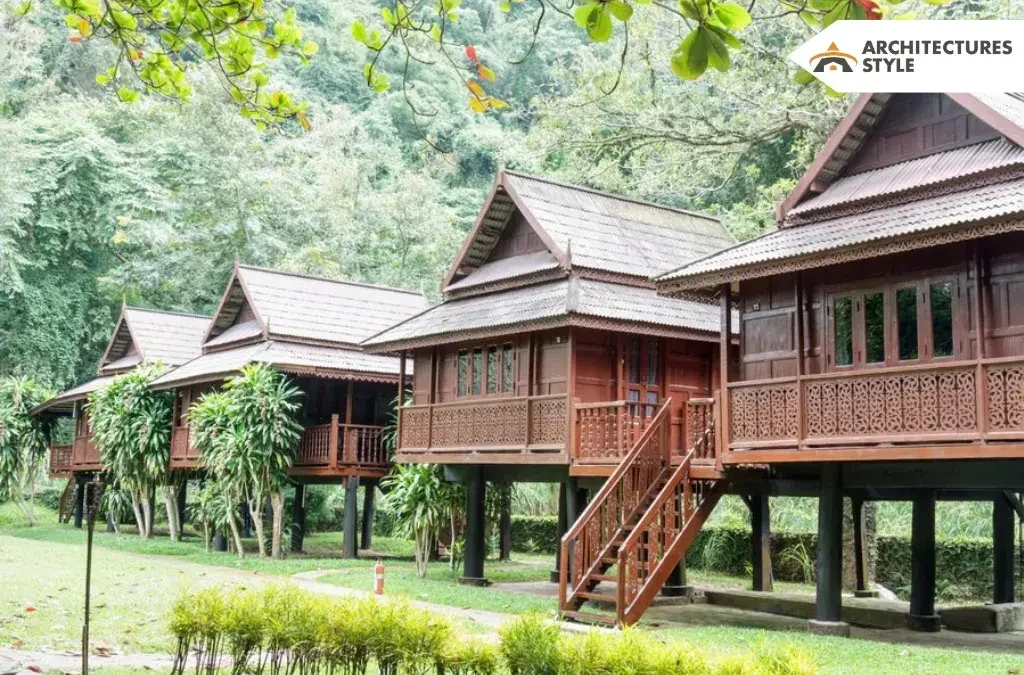

In recent years, sustainable architecture has moved from being a niche concept to a global necessity. As climate change, deforestation, and environmental concerns become increasingly pressing, innovative solutions in building materials and design are gaining attention. One of the most fascinating and eco-friendly alternatives is the bamboo house. Combining natural beauty, durability, and sustainability, bamboo houses are capturing the imagination of homeowners, architects, and environmentalists alike. In this article, we explore what bamboo houses are, their benefits, design possibilities, and practical considerations while maintaining a human tone and clear, easy-to-understand language.
What Is a Bamboo House?
Bamboo house is a construction that is constructed using bamboo as its primary component. Bamboo is flexible, strong, and available which has made it useable in traditional construction in Asia, South America and Africa over centuries. Compared to the traditional wooden construction systems, bamboo grows much quicker and can be matured within three to five years hence it is a very sustainable resource.
Modern bamboo homes are simple rustic cottages up to the luxurious architect designed homes. They may be single-story and multi-story with the addition of modern facilities without making the construction costly. Most frequently, architects mix bamboo with other construction materials like clay, stone and glass to come up with structures that are appealing and structural.
To have a closer glimpse of bamboo architecture and usage, ArchDaily provides an extensive amount of construction projects in the world that were constructed using bamboo and feature new design and sustainable development.
Benefits of Bamboo Houses
Bamboo houses are becoming popular among the homeowners who are environmentally conscious because there are also several good reasons.
Sustainability: Bamboo is among the plants that grow fast on earth and can regenerate without needing to be replenished. The harvesting of bamboo has a low environmental cost than that of the traditional timber and will contribute to less deforestation and carbon tax.
Strength and Durability: Bamboo is very strong and yet outwardly it is very lightweight. Certain species of bamboo possess tensile strength that can be compared with steel hence are applicable in building strong structures. Bamboo has the ability to resist moisture, pests and extreme weather when well treated.
Cost-Effectiveness: Bamboo construction is normally cheaper compared to the traditional construction materials. It has a high growth rate, is locally available in most areas and is simple to operate to minimize costs in terms of labor and materials.
Aesthetic Appeal: Bamboo houses have got the distinctive natural aesthetic, which fuses with the surroundings perfectly. The bamboo with its warm colors, textures and organic patterns provide relaxing and welcoming interiors.
Thermal Comfort: Bamboo is naturally insulated and is therefore used in regulating the interior temperatures of homes keeping them cool during summer and warm during winter. This saves on energy and leads to a healthier and sustainable living.
World Bamboo Organization offers information and case studies of building with bamboo that is environmentally-friendly, to add further information on bamboo as a building material and its benefits.
Design Possibilities
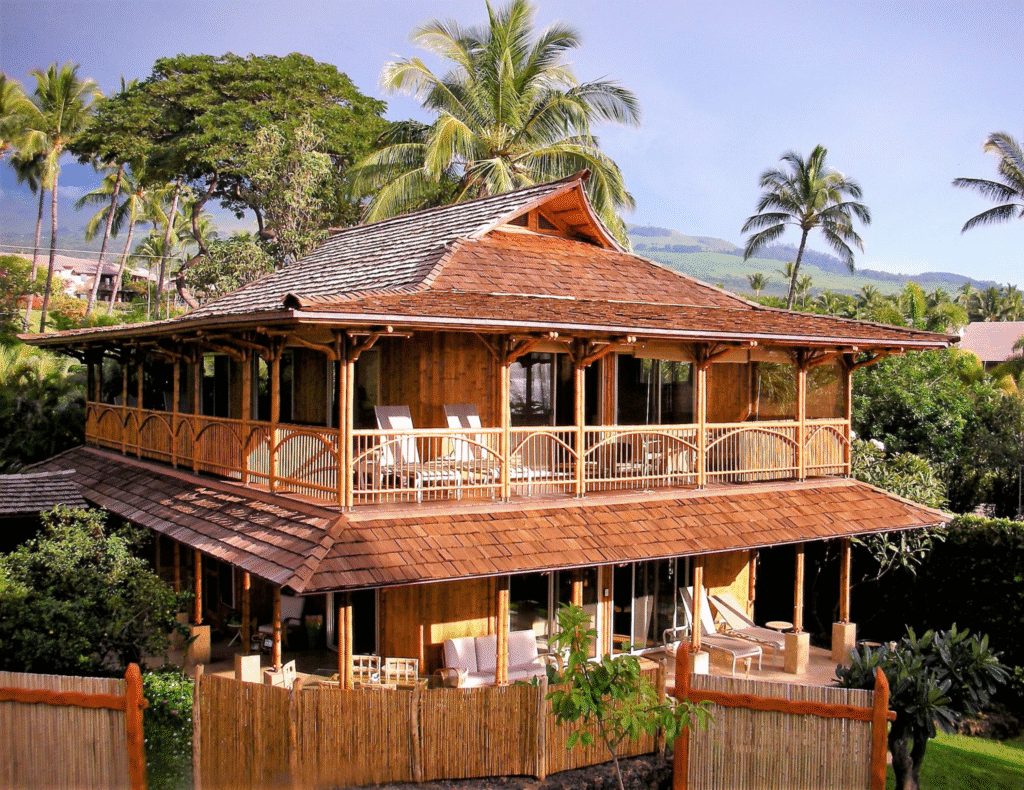
A bamboo house offers many possibilities in terms of design, which is one of the most exciting. It is the natural strength and flexibility of bamboo that make it possible to get creative in terms of architectural solutions. Bamboo is more capable of curved roofs, open plan structures, cantilever constructions and open plan designs than the rigid construction materials.
Bamboo houses will suit any setting, both the coastal tropical setting and even the mountainous setting. Arches usually mix bamboo with environment-friendly elements like rainwater harvesting systems, solar panels and natural ventilation. This is a holistic design that minimizes environmental impact and at the same time makes the home more comfortable and livable.
Bamboo is applied in modern architecture both structurally and as a decorative element.
Bamboo columns, walls, floors and ceilings that can carry loads of materials represent how adaptable the material is and still have a natural appearance. There is also a consideration of prefabricated bamboo panels by architects that saves time on construction and enhances efficiency of building.
To get inspired to make the creative design of bamboo houses, Dezeen often has projects that are innovative and eco-friendly using bamboo and modern buildings.
Construction Considerations
Though bamboo has numerous advantages, a bamboo house designed must be thoroughly planned and paid attention to detail.
Material Treatment: Raw bamboo is prone to pests, rot as well as fungal attacks. It is fundamental that proper treatment techniques are employed in order to maintain the length of life like boiling, smoking, or even the use of chemicals.
Construction Knowledge: Bamboo Standards: The building requires craftsmen and architects who have knowledge of the material. Distributing loads and local codes of building, as well as knowledge of joinery techniques, is crucial to ensure safety and stability.
Maintenance: The bamboo houses need maintenance after every certain period of time to maintain their durability and looks. Protective coating of the bamboo home, checking joints and fixing problems of moisture can prolong the life of bamboo home.
Climate Suitability: Bamboo grows in the tropical and subtropical areas. In the colder regions, there would be need to have good insulation and structural modifications so that the home can be made comfortable and safe.
Green Building Advisor offers construction tips on the construction of eco-friendly buildings including bamboo houses and other pieces of construction advice and guidelines.
Bamboo Houses and Sustainability
A bamboo house is not just a building but it is a declaration concerning sustainable living. Renewable resources, carbon emissions reduction, and energy-efficient design are some of the important features of the modern bamboo houses. Bamboo housing has also been shown to be a solution to affordability and environmental friendliness in a lot of communities, proving that sustainability and accessibility can be two things.
Besides being environmentally friendly, bamboo houses will help to foster a stronger relationship with nature. The open spaces, usage of natural materials and continuity with landscapes make the area look in harmony and well being to the occupants.
Final Thoughts
The bamboo house is a good example of a beautiful combination of tradition, innovation and sustainability. Its power, flexibility, and environmental friendliness have enabled it to be a desirable option to homeowners and designers who are considered environmentalists. Bamboo house may be used either as a home where the people live, as a holiday home, or as an investment property but it is a singular experience to stay in touch with nature yet has the convenience of the modern day.
Bamboo houses have a bright future to be more significant in defining the future of the environmentally-friendly houses as more architects and communities embrace the concept of sustainable building practices. When you use bamboo to create a home you are not only building a home, you are committing to sustainability, innovation and a closer association with the natural world.
Frequently Asked Questions (FAQs)
Q1: How long does a bamboo house last?
With proper treatment and maintenance, bamboo houses can last 30 to 50 years or more. Advanced preservation techniques significantly extend the lifespan of bamboo structures.
Q2: Are bamboo houses suitable for all climates?
Bamboo performs best in tropical and subtropical climates. In colder or extremely wet climates, additional insulation and structural adaptations are necessary.
Q3: Is bamboo construction expensive?
Bamboo construction can be more cost-effective than conventional materials, but costs depend on design complexity, labor, and material quality. Prefabricated bamboo panels can reduce costs further.
Q4: Can bamboo houses be used for modern amenities?
Yes, bamboo houses can accommodate electricity, plumbing, heating, and cooling systems, making them suitable for modern living.
Q5: Is bamboo environmentally friendly?
Absolutely. Bamboo is renewable, fast-growing, and has a low environmental impact, making it an ideal material for sustainable construction.

Leave a Comment