
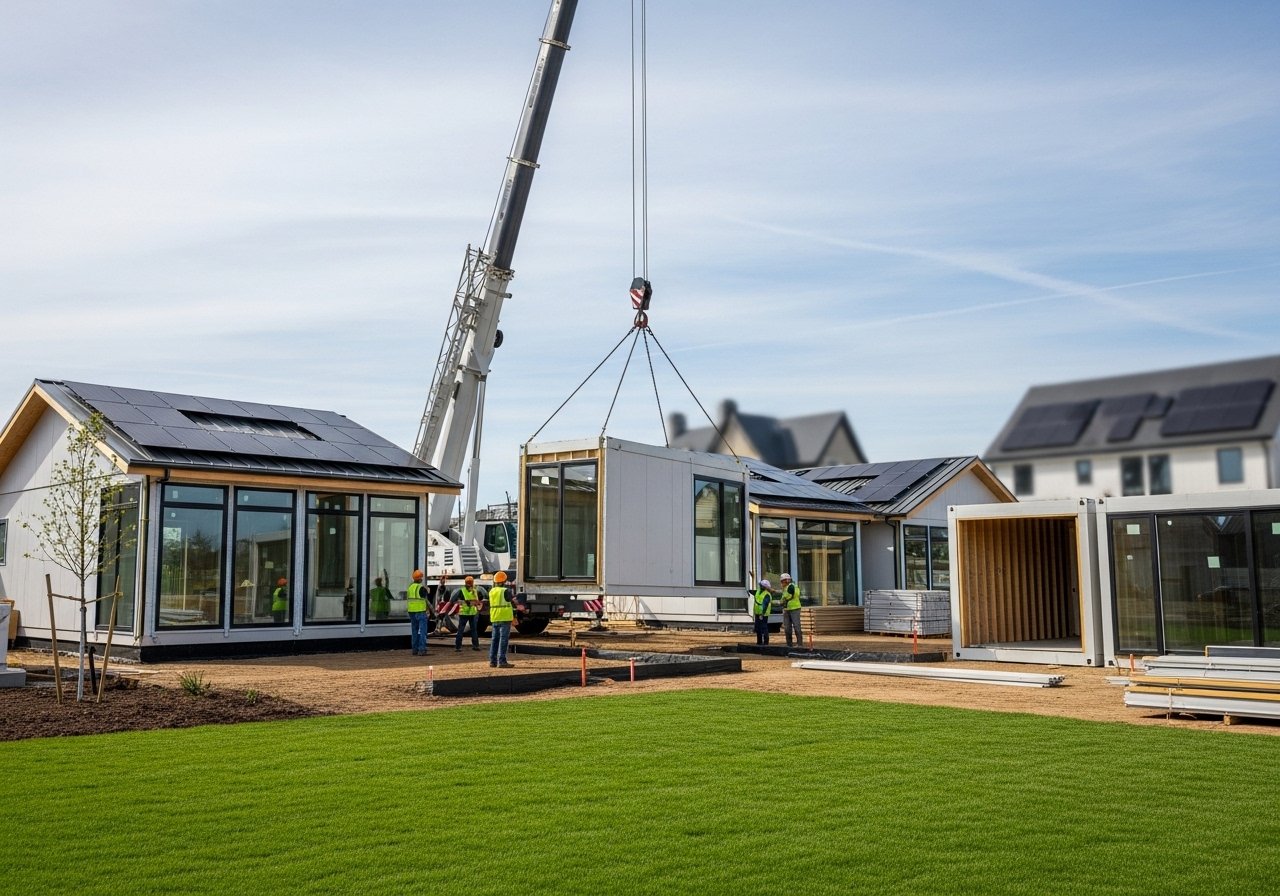

Imagine walking into your dream home just months after deciding to build it. No prolonged construction delays, no skyrocketing costs, yet the home feels personalized and sturdy. This is the promise that modular homes are bringing to homeowners in 2026. As the housing market evolves, more people are exploring alternatives to traditional site-built homes, and modular homes are at the forefront. But before taking the leap, it’s essential to weigh the modular home pros and cons to determine if this approach aligns with your lifestyle, budget, and long-term goals.
Understanding the Rise of Modular Homes in 2026
Modular homes have made a boom that is here to stay. Economic factors, environmental issues, and the need to build a structure faster have all put modular homes in a better position to achieve this. By 2026, interest in modular homes is growing due to their capacity to bring quality constructions in a third of the time period in the conventional type of constructions. This is due to the versatility of designs, enhanced standards of factory construction which enable the homeowners to allocate some form of customization that was only formerly exclusive to site built houses.
However, in spite of these benefits, modular homes are not the universal variants. Some of the limitations applied regarding land, funding, and zoning may prove to be difficult during the journey. The knowledge about the modular home advantages and disadvantages will allow you to make a sound decision and avoid the possible traps.

The Construction Advantage: What Makes Modular Homes Unique
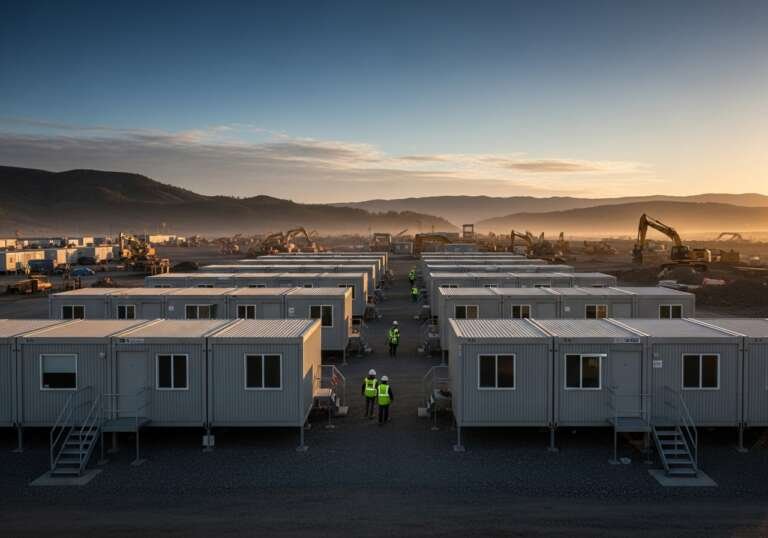
As opposed to construction of traditional homes, which are entirely built on site, the modular homes are manufactured factory-regulated buildings. Sections or modules are brought to the home site where they are assembled with accurate quality control processes. This would eliminate a lot of uncertainty that comes with the traditional construction.
The standardized factory condition reduces delays caused by the weather, waste reduction, and modular high standards of safety and building requirements. In the eyes of the homeowner in 2026, this will be translated into predictability, efficiency, and a structure that will be up to high-quality standards.

The Modular Home Pros
Cost Efficiency That Makes Sense
The advantage of cost is one of the most intriguing modular home advantages and disadvantages. Modular constructions could be cheaper than the conventional construction, mainly because of the simplified factory work. Acquiring materials in high amounts and cutting down labor wastage, the manufacturers cut back overhead which reflects to the buyer in low costs. Also, modular homes are affordable because the quicker construction time calculates less on the cost of financing and are financially viable to those who are money conscious.
Speed of Construction: From Factory to Finished Home
There is no economic value of time and in this situation modular homes provide both. Whereas any normal house would require six to a dozen months to be constructed, a modular house can be completed within three or four months. Such a rapid transition is especially helpful in cases of relocation of the family or the investor who needs to obtain faster returns on the property development.
Tailored Design Without Compromise
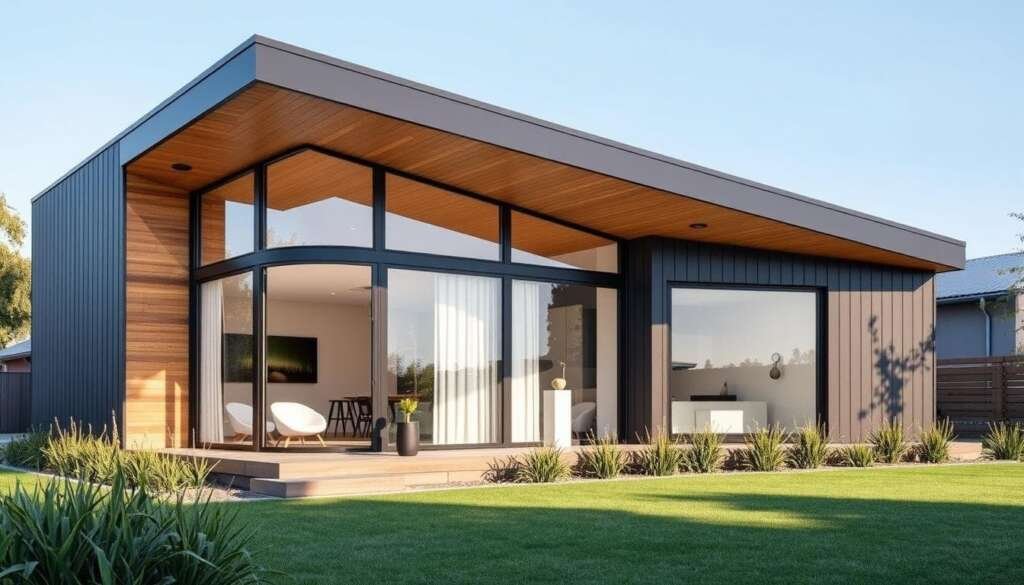
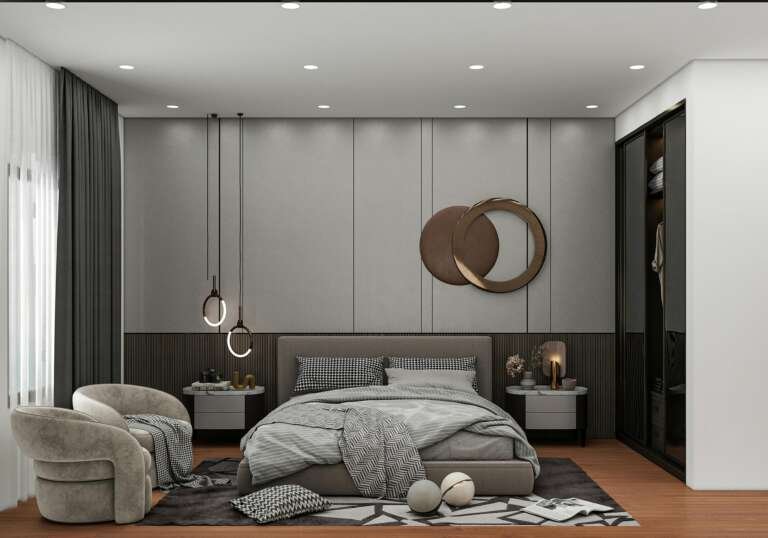
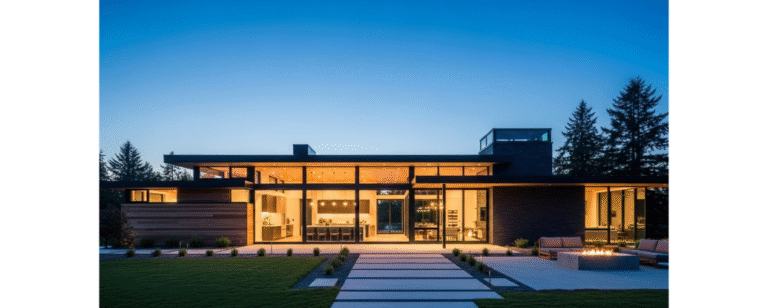
Modern modular homes are highly customized unlike the ill-conceived notion that modular homes are text box homes. Through modifications in layout to interior finish, the homeowner is able to have their spaces that express their lifestyle, and aesthetic feel. In 2026, designers are providing more customization than ever in their product, and that makes their products, i.e., modular homes, competitive with the traditional ones in terms of personalization.
Durability and Quality Assurance
Since every module is constructed in a regulated factory environment, quality control is simpler compared to on-site construction; where uniformity variables such as the weather and inconsistency of labor can affect the outcome. Modular houses are designed to survive transportation and installation, or structural integrity can be very high compared to site-built ones. This longevity makes them one of the long term investments to the home owners who believe in the reliability.
Sustainability and Energy Efficiency
Consideration of the environment is becoming a crucial factor in 2026, and the modular homes hand over highly in the aspect. Construction under factory control minimizes the wastage of materials and most manufacturers include energy efficient construction in terms of insulation, windows and systems. Modular homes can be an ideal option to get the environmentally friendly consumer segment interested in a one-size-fits-all solution to renewable energy, which is solar panels.
The Common Drawbacks of Modular Homes
A modular home has a number of benefits but one should look into the cons of the same so that a balanced decision can be made.
Land and Zoning Challenges
No matter how efficient a modular home can be, it will not be of any use without appropriate land. The location of modular structures may be restricted by zoning regulations and not all neighborhoods allow it. The potential housing buyers should do due diligence on local zoning, land suitability, and access to utilities before making a commitment.
Financing Can Be Complicated
It could be more complicated to purchase a modular home with mortgaging as compared to a home constructed with conventional methods. Modular construction is unfamiliar to not every lender and special loans might be even more stringent. Customers are advised to consider early on financing in order to prevent unexpected delays and disappointments throughout the buying process.
Potential Resale Considerations
Another factor is the resale value. The modular homes are getting better in the perception of analyses, however, they are something that buyers remain less preferable compared to site-built homes. This image can be a factor in the long-term level of investment returns but regularly the quality and the location prevails over such issues.
Customization Limitations
Despite the fact that modular homes are flexible, they have limits as compared to constructions that are done entirely on-site. Custom architecture, radical changes or inordinate sizes might be limited by the transport or fabrication capacity. It is better to realize these limitations in advance so that there are no disappointments.
Transportation and Assembly Risks
Moving the modules to the location attracts logistical problems. During transport or poor construction, damages may happen which are not expected to incur a cost of repair. To assume such risks away, it would be important to collaborate with a seasoned manufacturer, as well as installation crew.
Modular Homes vs Traditional Homes: A Comparative View
Discussing modular homes, one can use the comparison of these houses to the traditional ones in reference to the main metrics.
Comparison of Costs: There can be savings in labor and time in the construction of modular homes, although there can be other cost savings in the site and land.
Construction Time: Modular houses are able to be set up within months instead of years as far as speed is concerned dualism is of great essence.
Quality and Longevity: Factory accuracy eliminates human error and may potentially enhance longevity as well as minimize repairs.
Maintenance: The two types of houses need regular care, although the modular housing constructed using modern materials may require less maintenance.
Who Benefits Most From Modular Homes in 2026
Modular houses are able to accommodate different purchasers, based on their priorities.
First-Time Homebuyers: Modular homes are affordable and can be constructed in a shorter time, which is why they are the best to offer to novice buyers in the market.
Retirees andDownsizers: Modular designs can help those that are interested in having low-maintenance and efficient houses.
Green Consumers: Modular houses are energy efficient with green building technologies.
Families in Need of Affordable Luxury: It starts with the quality and personalized design with a reduced price can satisfy the demands of the expanding families.
Practical Tips for Buying a Modular Home
- A well-known manufacturer that has experience and satisfied customers.
- Audit the factory process as to uniform quality.
- Check financing and insurances prior to placing commitment.
- Make sure that your land is ready with the right development of Zoning, utilities, and site conditions to install it.
Future Trends in Modular Housing
In the future, modular homes will develop further. Convenience and efficiency will be improved through technological integration which involves smart home systems. The practice of green buildings will be on the forefront and provide solutions to developments that are friendly to the environment both in cities and suburbs. The modular communities might gain popularity which entails offering planned neighborhoods to achieve shared facilities and infrastructure which is sustainable.
Conclusion: Evaluating Modular Home Pros and Cons
When making a choice of the modular home, both advantages and disadvantages must be taken into account. Modular home advantages and disadvantages mentioned herein offer a guideline to evaluate the suitability of this home option in terms of financial objectives and life-style choices and long term investments. It is not simply an option as a solution but a viable, practical and environmentally conscious way of providing a modern homeowner in the year 2026. The knowledge of the trade-offs will enable you to make an informed decision that satisfies your preferences and is a solid one.

Frequently Asked Questions About Modular Home Pros and Cons
1. Are modular homes more affordable than traditional homes?
Yes, flipping houses are usually cheaper to build and finance by factoring in the efficient production processes at the manufacturing factories and short construction time.
2. Can I customize a modular home to suit my style?
A large majority of current prefab homes include a lot of design flexibility, finishes, and energy alternatives.
3. How long does it take to build a modular home?
The construction will normally take between three and four months depending on the nature and size of the construction work.
4. Do modular homes hold their value over time?
Modular homes which are constructed with quality can have value, but their perception might decrease depending on the housing markets.
5. Are there financing challenges with modular homes?
Other lenders have not dealt with modular construction so it might be hard to borrow money without a special loan or pre-preparation.
6. Are modular homes durable?
Yes, they are designed to survive transporting and installation, and it often leads to durable and strong constructions.
7. What are the key risks associated with modular homes?
The most possible risks involve land restriction, transit damage, zoning laws and restrictions of excessive customization.
Leave a Comment