

Introduction
As we step into 2026, roman shades stand out as a timeless yet innovative choice for window treatments, blending classic sophistication with modern advancements in design and technology. These fabric-based coverings have evolved far beyond their ancient origins, now incorporating smart features and eco-friendly materials that align with today’s sustainable living trends. Whether you’re revamping a bustling family home, a sleek urban apartment, or a cozy office space, roman shades offer a versatile solution that enhances both aesthetics and functionality. Their ability to softly diffuse light while providing customizable privacy makes them a go-to option for homeowners seeking to create inviting, energy-efficient environments.

In a world where window treatments are more than just practical necessities they’re key elements of interior design understanding the roman shades pros and cons is essential. This comprehensive guide not only breaks down the advantages and drawbacks but also serves as your ultimate resource for making an informed purchase. We’ll explore everything from the fundamentals of what roman shades are to the latest trends shaping their popularity in 2026, ensuring you can select options that perfectly suit your lifestyle and budget. By the end, you’ll be equipped with practical tips to navigate the market, avoid common pitfalls, and transform your windows into focal points of style and comfort.
What Are Roman Shades?
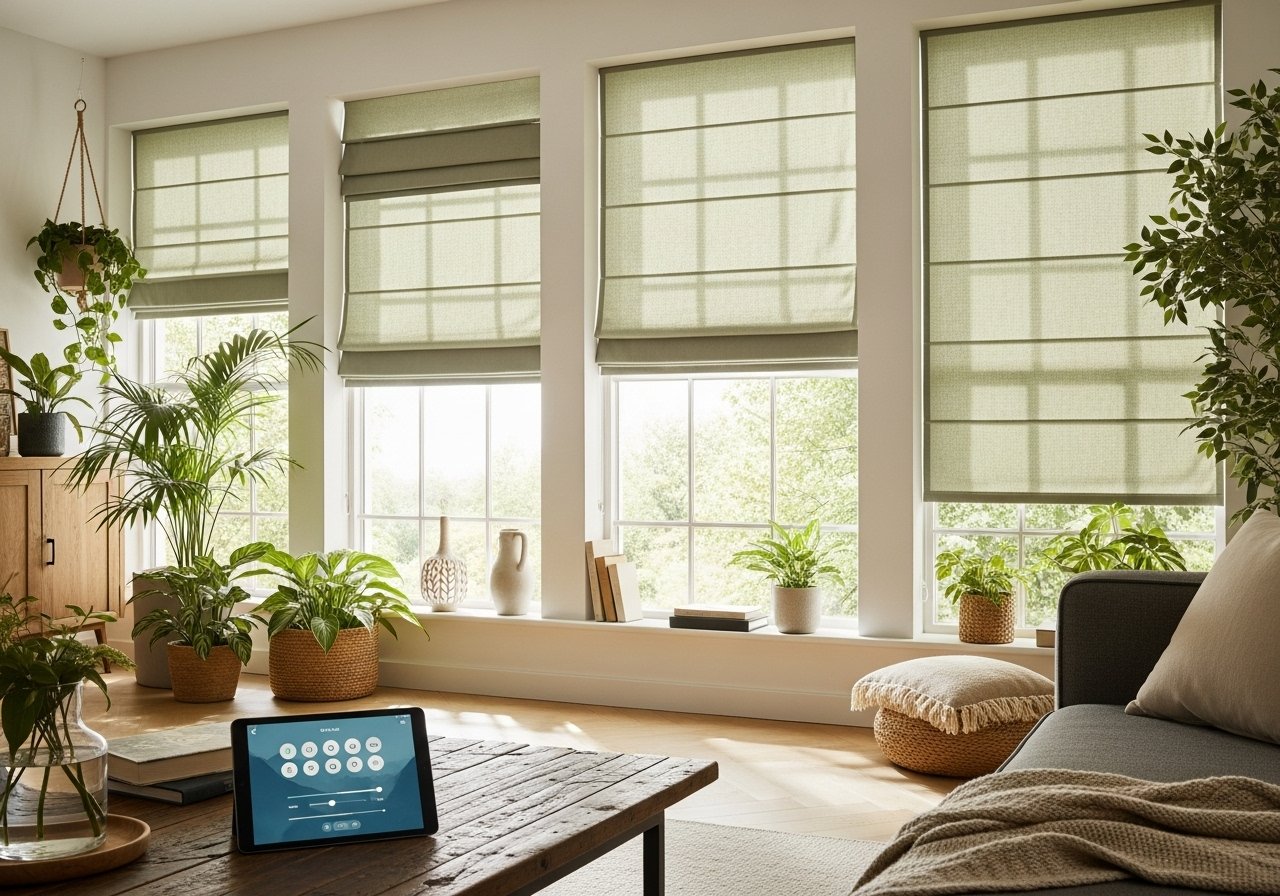
Roman shades are elegant window coverings made from fabric that folds upward in neat, horizontal pleats when raised, resembling an accordion. This unique stacking mechanism sets them apart from other treatments like rigid venetian blinds or simple roller shades, which roll up onto a tube, or curtains that gather to the sides. Instead, roman shades provide a softer, more tailored appearance that adds warmth and texture to any room, making them ideal for creating a layered, inviting atmosphere.
The operation of roman shades typically involves a system of cords, rings, or chains that guide the fabric as it’s lifted or lowered. Modern versions often include cordless designs for enhanced safety or motorized options that integrate with smart home systems, allowing control via apps, voice commands, or timers. Historically, roman shades trace their roots to ancient Rome, where they were crafted from simple materials to block out dust and harsh sunlight in open-air structures. Over centuries, they’ve been refined into the customizable products we see today, with advancements in fabrics and mechanisms adapting them to contemporary needs like energy conservation and child safety. Unlike bulkier drapes, roman shades occupy minimal space when fully raised, maximizing natural light and views while maintaining a clean, unobtrusive profile.
Pros of Roman Shades
Roman shades bring a host of benefits that make them a worthwhile investment for many households. Their combination of style, practicality, and adaptability ensures they fit seamlessly into diverse decor schemes, from minimalist modern to rustic farmhouse aesthetics.
- Aesthetic Versatility: One of the standout roman shades pros is their ability to elevate any interior with customizable fabrics, colors, and patterns. Imagine linen roman shades in a serene bedroom for a light, airy feel or bold patterned ones in a living room to add personality. This flexibility allows them to complement furniture, wall colors, and overall themes, creating a cohesive look that’s both elegant and personalized.
- Light Control and Privacy: Roman shades excel at managing sunlight, offering options from sheer fabrics that gently filter rays to blackout liners that plunge rooms into darkness for better sleep or movie watching. This adjustability provides superior privacy compared to basic blinds, without the harsh slats that can create unwanted shadows or gaps.
- Energy Efficiency: In an era focused on sustainability, roman shades contribute by insulating windows against heat loss in winter and solar gain in summer. Thermal liners can reduce energy bills by up to 20-30%, depending on the climate, making them a smart choice for eco-conscious homes in 2026. For instance, in hotter regions, they help keep interiors cooler without over-relying on air conditioning.
- Noise Reduction and Insulation: The layered fabric construction absorbs external sounds, such as traffic or neighborhood chatter, fostering quieter spaces ideal for home offices or nurseries. This acoustic benefit, combined with thermal properties, enhances overall comfort year-round.
- Customization Options: From standard sizes to bespoke fits for odd-shaped windows, roman shades can be tailored with features like edge bindings or contrasting trims. In 2026, smart integrations allow for automated scheduling, further customizing their use to daily routines.
- Safety Enhancements: Cordless or motorized roman shades eliminate dangling cords, reducing hazards for children and pets a critical consideration for family-oriented spaces. This safety focus aligns with evolving standards, ensuring peace of mind alongside style.
Beyond these, roman shades are relatively space-efficient, stacking compactly to preserve window views, and they can be layered with other treatments for added depth.
Cons of Roman Shades
Despite their appeal, roman shades have drawbacks that potential buyers should weigh carefully to ensure they match specific needs and environments.
- Maintenance Challenges: Fabric materials can accumulate dust, pet hair, or allergens over time, requiring regular vacuuming or spot cleaning. In humid climates, improper care might lead to mildew, necessitating professional cleaning services every few years. To mitigate this, opt for treated fabrics that resist stains.
- Moisture Sensitivity: These shades aren’t suited for high-humidity areas like bathrooms or kitchens, where steam and splatters can cause warping or discoloration. Alternatives like vinyl blinds might be better here.
- Higher Cost: Custom roman shades, especially those with premium fabrics or smart features, can range from $100 to $600 per window, outpacing basic roller shades. However, their longevity often justifies the expense over time.
- Limited Suitability for Large Windows: On expansive openings, heavier fabrics may sag or operate unevenly without reinforcements, potentially requiring multiple shades side by side.
- Light Filtration Limitations: While versatile, some roman shades styles don’t achieve the ultra-sheer effect of voile curtains, which might be a downside for those wanting maximal daylight diffusion.
Addressing these cons often involves choosing the right type and materials, but for some setups, other window treatments might offer a better balance.
Types of Roman Shades
Exploring the various types of roman shades reveals options tailored to different tastes and functional requirements. Each style offers unique visual and practical attributes, allowing for precise matching to your home’s decor.
- Flat Roman Shades: These feature a smooth, seamless panel that folds neatly when raised, delivering a clean, contemporary look. Pros include a minimalist aesthetic that’s easy to clean; cons involve less volume, making them feel flatter in traditional spaces. Ideal for modern kitchens or offices.
- Hobbled (or Looped) Roman Shades: Characterized by cascading loops or soft folds that remain visible even when lowered, these add texture and depth. Benefits include an elegant, voluminous appearance; drawbacks are increased dust collection in the pleats. Perfect for formal living rooms.
- Relaxed Roman Shades: With gently curved or scalloped bottoms, these provide a casual, bohemian vibe as the fabric drapes softly. They’re trending in 2026 for their effortless charm, though they may not offer as precise light control. Great for bedrooms seeking a cozy feel.
- Other Variations: Include tulip shades with inverted pleats mimicking flower shapes for decorative flair, balloon shades that puff out at the bottom for a romantic touch, or Austrian shades with gathered swags for opulent drama. Woven wood roman shades incorporate natural fibers for a rustic appeal, blending durability with organic textures.
Selecting the right type depends on your room’s purpose functional for high-traffic areas or decorative for accent windows.
Ultimate Buying Guide for Roman Shades in 2026
Purchasing roman shades requires careful planning to ensure they meet your expectations. This section provides in-depth advice on every step, from assessment to installation.
- Measuring Your Windows: Accuracy is key to avoid ill-fitting shades. For inside mounts, measure the width at the top, middle, and bottom, using the narrowest figure; for height, take three points from top to sill and use the shortest. Add deductions as per manufacturer guidelines, typically 1/4 inch for width. Outside mounts: Add 2-4 inches to width for overlap and 3-6 inches to height for full coverage. Always measure with a steel tape and confirm your measurements.
- Choosing Fabrics and Materials: Consider linen for breathable light diffusion, cotton-polyester for wrinkle-resistant durability, or silk for luxury. In 2026, sustainable choices like recycled polyester or organic cotton are popular for their low environmental impact. Factor in opacity: sheer for ambiance, medium for balance, blackout for bedrooms.
- Key Features to Consider:
- Liners: Light-filtering for soft glow, thermal for insulation, or blackout for complete darkness layer them for versatility.
- Operation: Cordless for safety, continuous loop for smooth use, or motorized with smart compatibility for voice-activated convenience in connected homes.
- Sustainability: Seek certifications like GOTS for organic fabrics or recycled content to align with green trends.
- Installation Options: DIY involves marking bracket positions, drilling, and securing the headrail use a level for straightness. Professionals handle complex setups, ensuring warranty compliance. Inside mounts fit within the frame for a flush look; outside extend coverage for better light block.
- Budget and Where to Buy: Entry-level roman shades start at $50-100, mid-range at $150-300, and premium/custom at $400+. Brands like Hunter Douglas emphasize quality, while online retailers offer variety with reviews. In-store shopping allows fabric sampling; compare warranties and return policies.
For a quick overview, here’s how roman shades stack up against alternatives:
| Aspect | Roman Shades | Roller Shades | Curtains |
| Style | Elegant, folded fabric with texture | Sleek, modern roll-up | Flowing, dramatic layers |
| Light Control | Excellent adjustable diffusion or block | Precise, uniform coverage | Variable based on fabric weight |
| Insulation | High with liners | Medium, depends on material | High, but drafts possible |
| Cost | Medium to high, customizable | Low to medium, straightforward | Low to high, fabric-dependent |
| Maintenance | Moderate, fabric care needed | Low, wipe clean | High, washing or dry cleaning |
| Installation | Moderate, brackets required | Easy, simple mount | Variable, rods or tracks |
Roman Shades Trends in 2026
2026 sees roman shades evolving with a focus on sustainability, technology, and natural integration, reflecting broader home design shifts toward wellness and efficiency.
- Relaxed and Outside-Mounted Styles: Embracing a softer edge, relaxed roman shades with curved hems and outside mounts create an airy, non-intrusive look, perfect for blending with biophilic designs that incorporate plants and natural light.
- Smart Integration: Motorized roman shades compatible with systems like Alexa or Google Home allow for automated adjustments based on time, weather, or occupancy, optimizing energy use and convenience in smart homes.
- Sustainable Materials: Eco-friendly fabrics from recycled sources, bamboo, or organic weaves in earth tones like sage green or terracotta dominate, reducing environmental impact while adding tactile appeal.
- Layering and Trims: Combining roman shades with sheers, valances, or drapes adds dimension and functionality, such as daytime filtering with nighttime privacy. Custom trims in contrasting colors enhance personalization.luxdrape.comtwopagescurtains.com
- Popularity in Specific Rooms: In kitchens and sunrooms, water-resistant woven roman shades provide style without vulnerability; living areas favor bold patterns for statement pieces.
These trends position roman shades as forward-thinking choices that enhance both form and function.
Conclusion
In summary, the roman shades pros like unmatched versatility, energy savings, and customizable safety often outweigh the cons, such as maintenance demands and higher initial costs, especially when selected thoughtfully. This guide has equipped you with detailed insights into types, buying strategies, and emerging trends for 2026, empowering you to choose shades that not only beautify your space but also improve daily living. Whether prioritizing sustainability or smart tech, roman shades offer enduring value. Take the next step: assess your windows, budget, and style preferences, then explore reputable suppliers to bring your vision to life.
FAQ
Are roman shades worth the investment?
Absolutely, given their durability, aesthetic impact, and energy benefits, particularly in homes where style and efficiency matter.
How do I clean roman shades?
Use a soft brush attachment on a vacuum for regular dusting; for stains, dab with mild soap and water, avoiding saturation. Professional cleaning every 1-2 years preserves fabric.
Can roman shades be used in bathrooms?
Generally no, due to moisture issues, but faux wood or treated versions might work in well-ventilated spaces.
What’s the difference between roman shades and roller shades?
Roman shades fold for a softer look, while rollers wind up tightly for a sleeker profile; choose based on desired elegance vs. minimalism.
How long do roman shades last?
With proper care, 5-10 years or more, depending on material quality and usage frequency.

Leave a Comment