

Introduction: The Era of “Smarter, Not Bigger”
In 2026, the housing landscape has undergone a profound transformation, driven by escalating urban density and a heightened emphasis on eco-consciousness. What was once considered luxury—vast, sprawling estates—has evolved into a new paradigm where efficiency reigns supreme. Homes are no longer judged by their square footage but by how intelligently they utilize every inch, blending functionality with sustainability to create living spaces that feel expansive despite their compact size.
Small space living in this era draws a clear line between “cramped” and “compact.” Cramped implies inefficiency and discomfort, while compact celebrates intentional design that maximizes utility without sacrificing style or comfort. Through clever architecture, innovative materials, and smart technology, these homes turn limitations into advantages, fostering a sense of freedom and mindfulness.
At the heart of this movement are the types of homes tailored for small spaces, positioning them as the future of modern living. With trends leaning toward flexible layouts, biophilic elements, and sustainable tech, these designs not only address practical needs but also promote well-being in an increasingly crowded world.
1. The Top 10 Small-Space Home Types
1. Smart Micro-Apartments
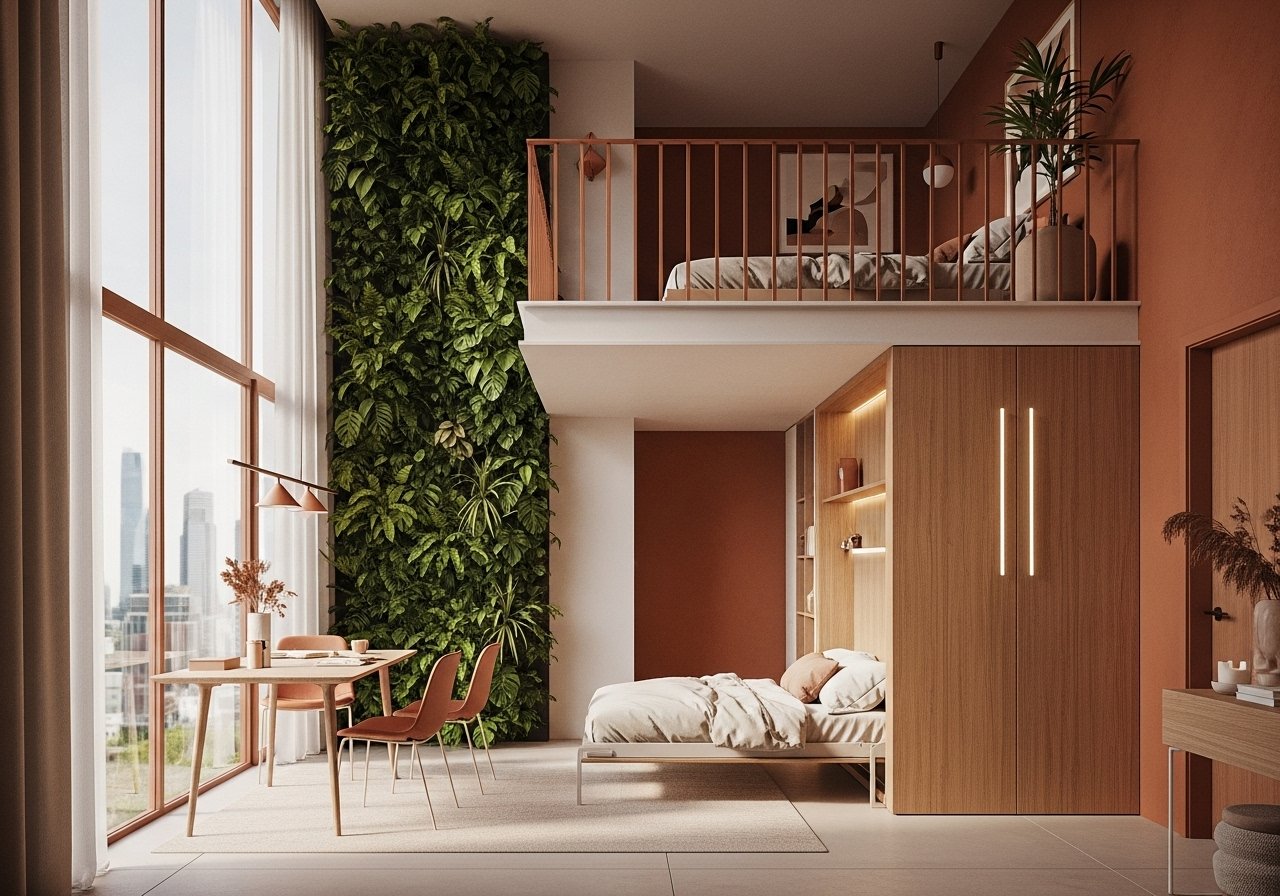
These urban gems, typically under 400 square feet, are engineered for maximum efficiency in bustling cities. Featuring AI-integrated walls that adjust lighting and temperature based on occupant preferences, along with retractable furniture that folds away seamlessly, they transform a single room into a multifunctional haven. Ideal for young professionals, these apartments embody 2026’s focus on tech-driven wellness, ensuring even the smallest footprint feels personalized and spacious.

2. Modern Tiny Houses (on Wheels or Foundation)
High-spec tiny houses offer off-grid freedom with solar panels, composting toilets, and compact yet luxurious interiors. Whether mobile on wheels for nomadic lifestyles or fixed on foundations for stability, they prioritize durability and minimalism. In 2026, these homes appeal to eco-enthusiasts seeking independence from traditional utilities, with designs that include lofted sleeping areas and fold-out patios to extend living space outdoors.

3. Accessory Dwelling Units (ADUs)
Often dubbed “granny pods” or backyard cottages, ADUs are standalone structures built on existing properties, serving as guest suites, home offices, or rental units. Their small footprint—usually 500-800 square feet—makes them perfect for multigenerational families or supplemental income. With modular construction speeding up builds, 2026 sees ADUs incorporating green roofs and energy-efficient systems for seamless integration with main homes.

4. Prefabricated Modular Pods
Factory-built and easily transportable, these pods can be stacked or expanded like building blocks, adapting to growing families or changing needs. Ranging from 200-600 square feet per unit, they feature customizable interiors with built-in storage and smart home tech. In an era of rapid urbanization, their quick assembly and low waste make them a sustainable choice for flexible, future-proof living.

5. Modern Cottages (The “New Traditional”)
Blending timeless charm with contemporary flair, these small-footprint homes boast steep gables, clean lines, and finishes like matte metals and natural woods. Under 1,000 square feet, they achieve a “cozy-meets-clean” aesthetic through open-plan layouts and large windows that flood spaces with light. Popular in suburban and rural settings, they align with 2026’s trend toward lived-in maximalism with a minimalist twist.

6. Floating Tidal Homes
Designed for waterfront resilience against climate change, these homes maximize vertical space with multi-level designs floating on buoyant foundations. Compact at 400-700 square feet, they include features like retractable docks and solar-powered systems. In 2026, with rising sea levels in focus, they offer eco-friendly living that adapts to tides, providing panoramic views and a sense of serenity.

7. Adaptive Reuse: Converted Spaces
Repurposing old structures like sheds, boathouses, or shipping containers into residences, these homes embrace industrial chic with exposed beams and recycled materials. Sizes vary but stay small, often under 500 square feet, emphasizing creativity over new builds. This trend thrives in 2026 for its sustainability, reducing waste while creating unique, character-filled spaces.

8. Small-Scale Barndominiums
Steel-framed hybrids that merge workshops or garages with living quarters, these homes feature high ceilings for an airy feel in compact 800-1,200 square foot layouts. Customizable for hobbies like crafting or mechanics, they use durable materials for low maintenance. In rural or semi-urban areas, they represent 2026’s push for multifunctional, cost-effective designs.

9. Loft-Style Micro-Units
Leveraging “vertical urbanism,” these units use high ceilings to create split-level designs within a single room, often under 400 square feet. Mezzanines for sleeping or storage add dimension, while open railings maintain flow. Urban dwellers favor them in 2026 for their efficient use of height, incorporating bold colors and ergonomic furniture for a dynamic vibe.

10. Sustainable A-Frames
Reviving minimalist classics with eco-upgrades, these iconic triangular homes minimize environmental impact through compact 500-900 square foot designs. Using materials like mass timber and passive solar heating, they offer style and efficiency. In 2026, they’re ideal for nature lovers, blending nostalgia with modern sustainability for low-footprint retreats.

2. Design Innovations for 2026
The “Minimalist Country” aesthetic dominates, employing earthy palettes like clays and terracottas alongside organic textures such as woven fabrics and natural stone to infuse warmth without overwhelming the space. This approach creates a grounded, inviting atmosphere in compact homes.
Biophilic integration takes center stage, with AI-powered indoor gardens and vertical plant walls that not only purify air but also boost mental well-being by bringing nature indoors. These elements make small spaces feel alive and connected to the outdoors.
Hidden technology, or “stealth tech,” is essential—think OLED panels mimicking windows for natural light illusions and voice-activated storage that conceals clutter. This seamless integration keeps visuals clean while enhancing functionality, aligning with 2026’s wellness-focused trends.
3. Smart Furniture & Layout Tips
Multifunctional pieces are game-changers: the Murphy Bed 2.0 folds down with an integrated desk for work-from-home setups, while lift-top coffee tables convert into dining or office stations, saving precious floor space.
Opt for “leggy” furniture with slim, exposed legs—such as elevated sofas and tables—to maintain open sightlines across the floor, creating an illusion of expansiveness in tight quarters.
Zoning without walls relies on subtle dividers: area rugs to delineate lounging areas, glass partitions for light flow, and varied floor heights to define “rooms” in open concepts, promoting flexibility without permanent barriers.
Expert Tip: In 2026, storage has gone vertical. Use floor-to-ceiling cabinetry and “floating” shelves to draw the eye upward, making the ceiling appear higher than it actually is.
4. Tech & Sustainability Checklist
For energy efficiency, prioritize solar-ready rooftops and “smart glass” that tints automatically to control heat and light, reducing utility costs in small homes.
Smart lighting with layered LEDs adjusts to circadian rhythms, ensuring rooms feel bright and airy during the day while promoting better sleep at night.
Eco-friendly materials like mass timber, hempcrete, and recycled cork contribute to a carbon-negative footprint, supporting 2026’s emphasis on sustainable, resilient building practices.
Conclusion: Making Every Square Inch Count
Small-space living in 2026 transcends mere necessity; it’s a deliberate choice for a more intentional, manageable lifestyle that prioritizes quality over quantity. By curating spaces that align with personal needs, homeowners reclaim control amid urban pressures.
Whether opting for a floating pod that dances with the tides or a micro-loft that soars vertically, the best home is one that fits your lifestyle seamlessly, proving that true comfort comes from smart design, not size alone.


Leave a Comment