
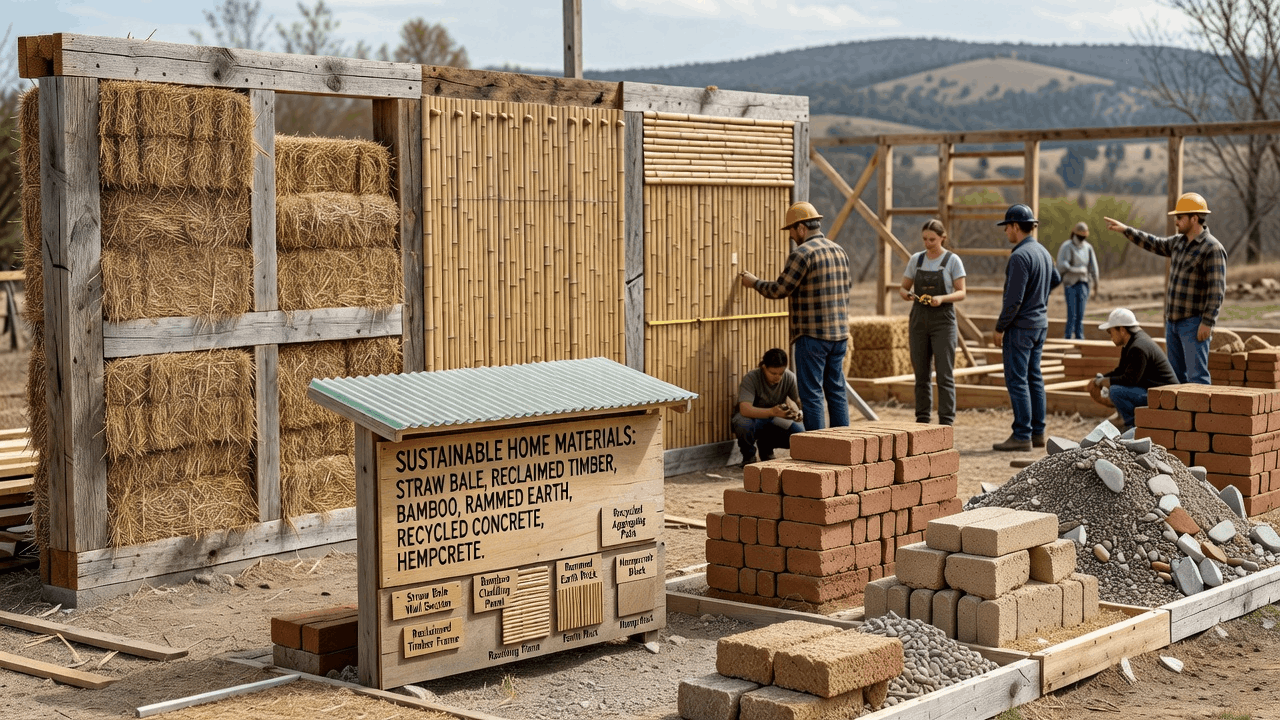

A home today is not merely bricks, mortar and a good looking house. The environment, our health, and sustainability The nature of every decision we make is far-reaching. There is no more urgency in sustainable building materials of a home. Consider building a home that does not only appear beautiful but also helps to make the world healthier, uses less energy, and will last many decades without hurting anybody. The vision is realizable with the selection of materials by the homeowners and builders that will include a balance between performance, beauty, and environmental responsibility
Why Sustainable Home Building Materials Are Changing the Construction Landscape
The construction sector is among the greatest source of carbon emission in the world, depletion of resources, and wastage to the world. Conventional building materials are effective but are usually associated with environmental externalities. Concrete, steel and plastics may require a lot of energy to make and they produce large quantities of green house gases. Contrary to this, sustainable building materials of homes are obtained in a responsible manner and they are designed with the intention to have less impact on the environment and most of the time they incorporate new materials that make their homes more comfortable, durable and efficient in conservation of energy.
The use of such materials is not just a fashion but a revolution in the way we work on the building of houses. Whether it is an energy-efficient insulation or even an alternative to wood that is renewable, any kind of home can be turned into a sustainability and efficiency model with the help of the right materials.
Core Principles That Make Materials Sustainable
There are three principles that become eminent when assessing materials in the sustainability context. First, energy efficiency. Substances that aid in temperature control, minimize heating and cooling requirements or lower electrical consumption generate enormous environmental and financial advantages. Second, durability. Long life materials minimize the requirement to replace materials frequently and hence reduces wastage and usage. Third, low environmental effects. This involves sourcing of the responsible raw materials, minimizing emission in the process of production and enhancing recyclability or biodegradability at the end of the life of the material.
Innovative Sustainable Home Building Materials
The contemporary building material is a range of sustainable home building materials that are practical and at the same time environmentally friendly. Both kinds of materials have their own benefits to suit to the needs and designs of the home designs.
Bamboo is a rapidly growing natural resource and hence a very renewable one. Its durability is comparable to that of the conventional hardwoods and it also imparts a unique beauty to the floors, cabinetry and even structural components.
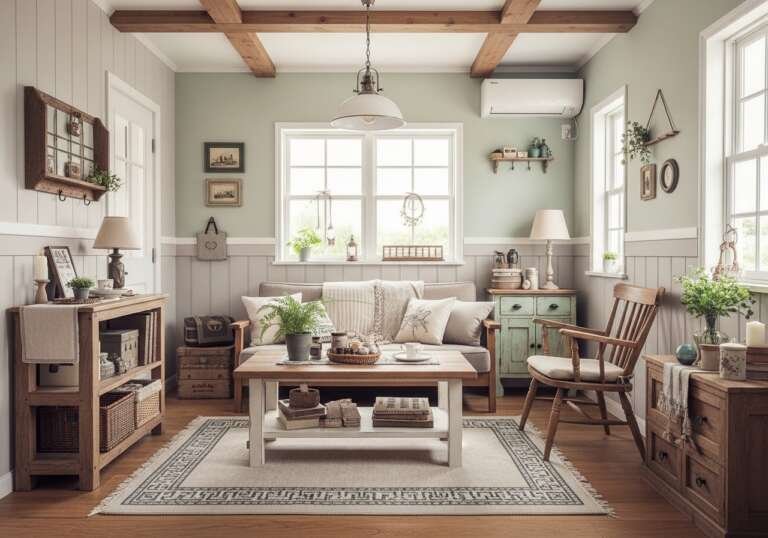
Reclaimed wood is another solution that is green because it puts new life into old wood. Its application minimizes the requirement of freshly cut timber but it gives character and texture unparalleled by freshly cut wood.
Recycled metals and steel are very strong and can be reused severally without loss of their structural integrity. Such materials particularly come in handy in framing, roofing, and exterior components.
Cork is an insulator which is natural, not susceptible to moisture, and harvesting of cork does not damage the trees. It can be used to floor, on wall panels and even in acoustic solutions.
Hempcrete, a compound comprising of a blend of hemp fibers and lime, is a material with outstanding thermal insulation besides being lightweight and extinguishing in flames. It is perfect on walls and non-load bearing structures.
Rammed earth is an ancient method that has been revived to become sustainable. It is naturally an energy efficient solution in the modern houses since it has the capability of controlling the temperature.
Sustainable Materials Tailored to Home Types
To decide on the appropriate sustainable home building materials requires the consideration of the type of home and its use.
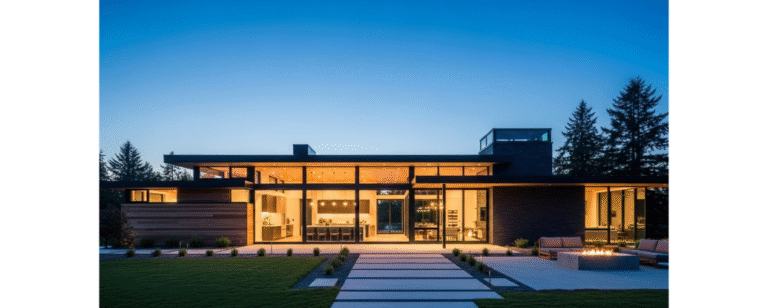
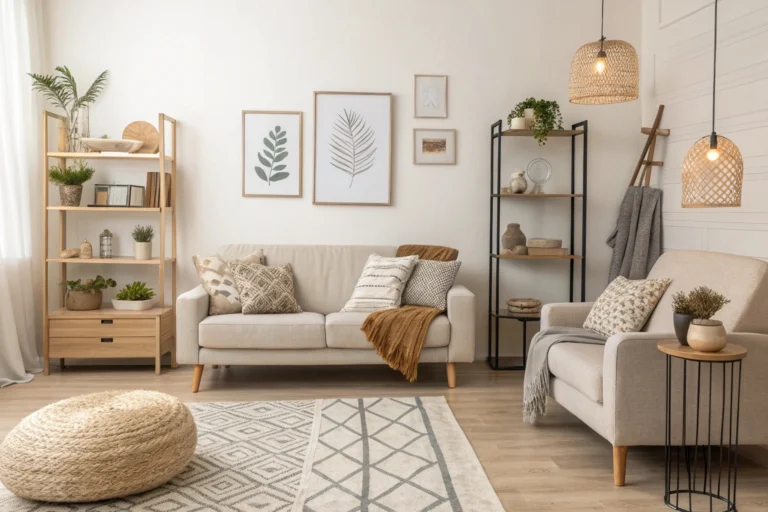
In the case of single-family houses, one can consider such materials as bamboo, hempcrete, or reclaimed wood, which offer an equilibrium between the durable properties, beauty, and environmental friendliness. Homeowners will be able to enjoy a comfortable and energy-saving environment and decrease their carbon footprint.
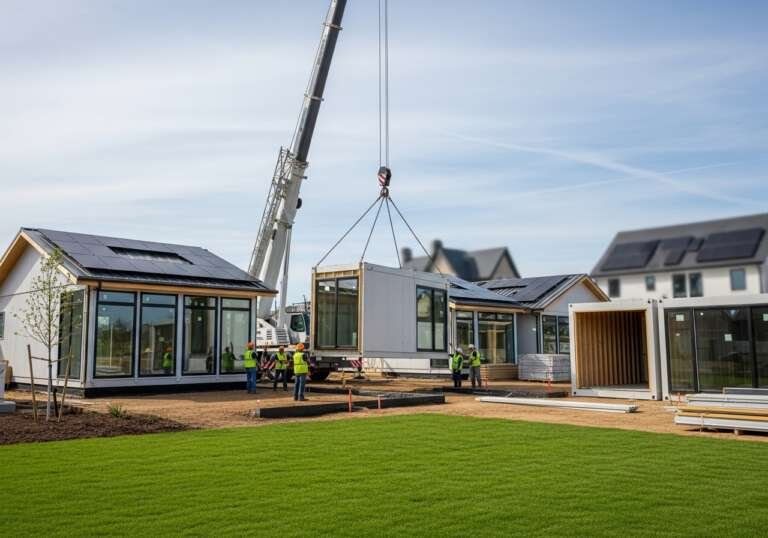
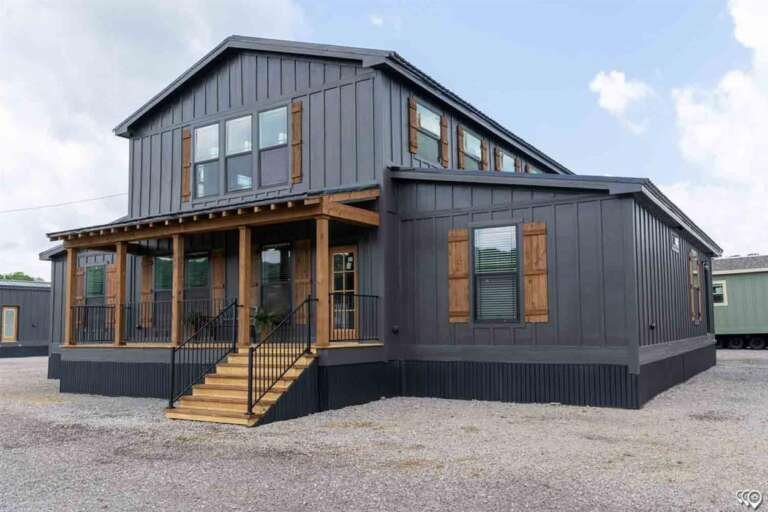
In small houses, space is of the essence. Mobile and compact designs that do not affect the sustainability can be implemented using lightweight materials like cork, recycled steel and rammed earth panels.
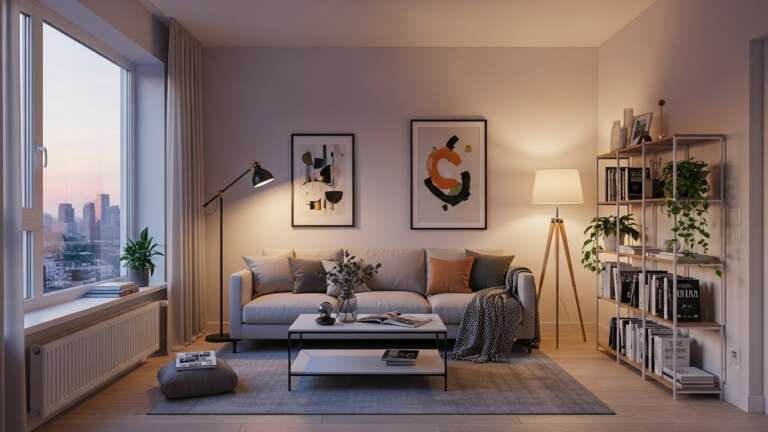
The problem with apartments and condos is that there is no wall and it is built vertically. Multi-unit buildings will be energy-efficient and have good indoor air quality without causing a significant impact on the environment because of the use of recycled drywall, low-VOC insulation, and sustainable tiles.
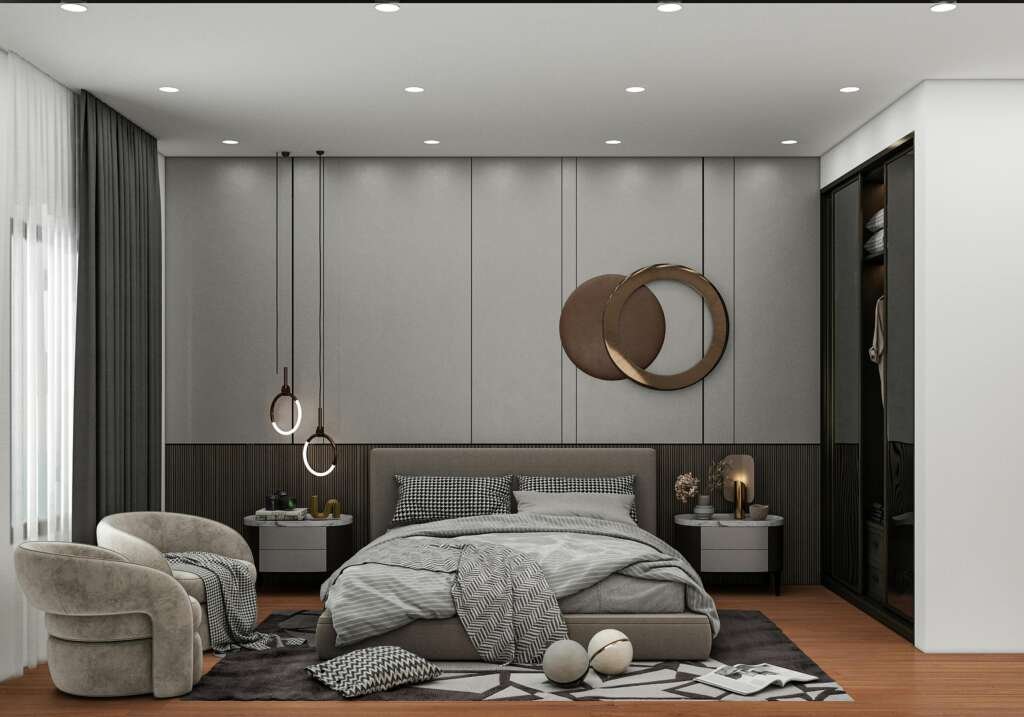
In the case of luxury homes, sustainability materials do not imply that the luxury will be compromised. Eco-luxury spaces that combine luxury and responsibility are made by bamboo accents, natural stone, reclaimed wood finishes, and high-performance windows.
Flooring and Wall Solutions That Lead the Way
Flooring is significant in the appearance and efficiency of a house. Bamboo, reclaimed wood, and cork are also durable and eco-friendly and need very little maintenance. Ceramic and porcelain tiles can be manufactured with recycled material to give a high-end look, but at the same time, remain sustainable. VOC finishes and coatings are low and help minimize indoor air pollution, so that the families are guaranteed a healthy environment.
Walls and insulation are also very important. Recycles of drywall, natural insulation such as wool of sheep or cellulose as well as less harmful paints make insulations energy-efficient and carbon emissions are minimized. The decisions also contribute to the improvement of indoor air and the comfortable living environment.
Roofing, Exterior, and Energy Considerations
Green roof solutions, including the living roof or solar ready shingles, lower the amount of heat entering the building and raise the energy efficiency. Recycled and sustainable siding materials are sustainable, durable, low maintenance and less harmful to the environment. Energy efficient doors and windows will help in saving heat, which will reduce heating and air conditioning expenses tremendously.
Plumbing, Fixtures, and Sustainable Hardware
Green plumbing fittings and water-efficient pipes will lower the use of water and save on energy. On the same note eco-friendly faucets, cabinets and hardware can be made of recycled materials or eco-friendly sources. These options will improve the functionality and sustainability, and will make every home conscious without losing quality.
Understanding Cost vs. Long-Term Value
There are homeowners who are afraid of incurring expenses of using sustainable home building materials. These materials, however, usually result in long term economies due to a decrease in energy bills and maintenance costs and a higher property value. This green building is ultimately rewarded in the long run and can be good to both the planet and homeowner.
Choosing the Right Sustainable Materials
The choice of materials should also be based on the availability locally and the environmental effects of the means of transportation. Fit the match to the home climate, style and way of life. Find certifications and ecological labels to prove the sustainability. Considerable decisions improve the effectiveness, comfort and saleability of the house.
Conclusion: Homes That Respect the Planet
Any house constructed using sustainable home building materials will be a step to a better environmentally conscious and forward-thinking world. Such minute choices as the reclaimed wood selection to installing energy-efficient windows add up to major positive effects in terms of environmental gains. Sustainable homes are not buildings but they are investments in health, life and the earth. With the changing trends in the construction industry, environmentally friendly materials will characterize the future generation of residential places as this will demonstrate that sustainability and style can go hand in hand.
Frequently Asked Questions About Sustainable Home Building Materials
Are sustainable home building materials more expensive than traditional ones?
Some of the materials might be costly in the short run but after more savings are made on energy, repairs and durability in the long run, they can be considered cost-effective.
Can sustainable materials compromise structural integrity?
No. Modern sustainable materials like recycled steel, bamboo, and hempcrete meet rigorous building standards and provide excellent strength.
Where can I find certified sustainable home building materials?
Look for eco-labels, local suppliers focusing on green construction, or manufacturers that adhere to recognized environmental standards.
Do sustainable materials require special maintenance?
Most sustainable materials, such as bamboo and reclaimed wood, require minimal maintenance when properly installed and treated.
How do sustainable materials improve indoor air quality?
Materials with low VOCs, natural insulation, and proper finishes reduce harmful emissions and allergens, creating a healthier living environment.
Leave a Comment