
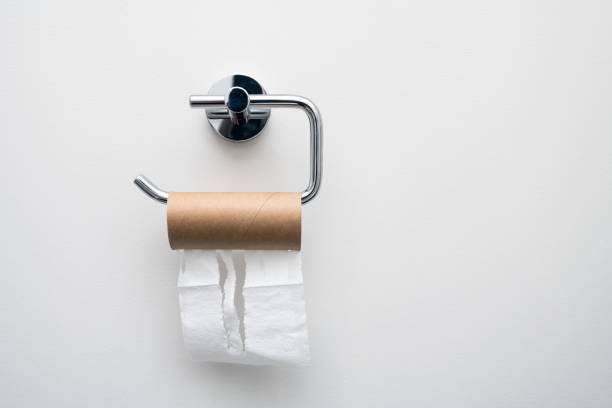

Introduction
A toilet paper holder plays a bigger role in bathroom comfort and organization than most people realize. The toilet paper holder keeps your roll clean, accessible and hygienic while adding to the style of the bathroom.
A toilet paper holder can be a minor and insignificant accessory in your bathroom; however, it actually has a major contribution to the work and the design of your space. The holder of the rights has the right to keep your roll safe, to make it more attractive, and even determines the degree of cleanliness and order in the bathroom. Making a wise decision can assist you in the combination of utility, style, and durability, in such a manner that will, in fact, make your day-to-day life something more special.
Why the Toilet Paper Holder Matters
A toilet paper holder keeps the roll in place and prevents clutter.The effect of a toilet paper holder on the bathroom experience is one of the aspects that people tend to disregard. In the absence of one, the rolls could be left on the floor or over the tank. It is not only messy, it is also inconvenient. A designed holder will help keep the roll in position, ease of filling it up and also add to the overall appearance of the bathroom.
In addition to the functionality, aesthetics are added by the holder. The type of material, finish, and shape of toilet paper holder that you select can support your idea of how you want your design to be done, even though you have a minimal and modern, classic and traditional or warm and rustic design in your mind.
Understanding the Different Types
In selecting a toilet paper holder, consideration of type does not begin and end with the point where it is installed. Both styles have their benefits and drawbacks. An elaborate buying guide shows that some of the most popular ones are wall-mounted holders, freestanding holders, recessed holders and dual-roll (or reserve) holders.
- Wall‑Mounted Holders: It is the traditional one. These holders are fixed on the wall using screws to ensure stability, enable the paper to be at a convenient height, and save on space. The trade-off: it is required to be drilled and this does not apply to all wall surfaces.
- Freestanding Holders: These are perfect when renting or have no possibility to drill to the bathroom. These units are just present on the floor. The fact that they are flexible is attractive, but they are easily knocked over particularly in a busy household.
- Recessed Holders: These are inbuilt in the wall itself, and they have an elegant, smooth appearance. They conserve space but need more sophisticated installation, i.e. the walls should be of appropriate depth and structure to fit in the recess.
- Double‑Roll or Reserve Holders: These are convenient where you want to have a spare roll there, particularly in volatile bathrooms. They however, are heavier and may occupy more space than a one roll holder.
Casa Things also writes about over-the-tank holders that are hung over the tank of the toilet and do not need tools or drilling. These holders are easy to install or put in place, are suitable in small or guest bathrooms.
Choosing the Right toilet paper holder
Choosing the right toilet paper holder depends on your bathroom size and layout.
Material is one of the most important choices that one will make when choosing a toilet paper holder. The material influences durability and style and various kinds of material are applicable in various bathroom settings.
The following are some of the most traditional ones, and what they offer:
- Stainless Steel: A good and convenient option. It does not rust easily especially when Grade 304 stainless steel is used that is best suited in the humid bathrooms. The contemporary feel and clean lines make it a powerful option to be used in the contemporary bathrooms.
- Brass / Zinc‑Alloy: It is strong and it cannot be corroded, which makes it strong when well treated. Zinc-alloy is less expensive, is relatively strong, and can be finished to resemble more costly metals.
- Wood: Toilet paper holders made of wood may provide a warm touch. Yet due to the wetness of bathrooms, the wood should be well covered to withstand water. When well sealed off, such species as teak, oak or bamboo can be used.
- Plastic / Acrylic: These are inexpensive, light and come in a wide variety of colors/forms. They are water resistant and can be utilized in no-drill designs. The negative aspect of this is that low cost plastics are prone to cracking or brittle nature with time.
- Ceramic / Porcelain / Stone: These are less popular, but highly fashionable. They also have a solid, heavy feel, and luxury-level grace–although fragile and may be more problematic to set up.
Design Trends and Modern Features
Toilet paper holder design has over the years not only been a simple necessity. Designers are now making creative mixtures of utility and style.
A combination of a holder and a small shelf is one of the rising tendencies. This shelf (usually made of metal or wood), will provide you with a place to leave your phone, a small plant or some other small objects. Others go further to conceal the mounting hardware, so as to appear floating. Holders with industrial ornamentation that involves pipe fittings provide a loft appearance. Some of the holders are made of solid brass or are finished with high quality metals to make them luxurious.
Sturdiness is also receiving an impetus: most of the modern holders are made of high-quality metals, robust mounting, and finishes, which do not tarnish or corrode easily.
Practical Tips for Choosing and Installing
When choosing a toilet paper holder, it is always good to consider not only the style but the functionality.
Start with your bathroom plan. Is a wall-mount holder going to be easy to install where required? Otherwise, perhaps a freestanding design could be available. Measuring. Checking your wall material. You would want to consider the way you want to reach the roll.
When selecting a metal holder, then you have to select a metal holder of rust resistant stainless steel or brass, particularly when your bathroom is humid. With wood, it should be water-resistant. Wipe down clean materials such as metal or plastic with a damp cloth on a regular basis to prevent accumulation and in case of metals, polish every now and then to maintain the finish bright.
Another area that should be observed is the mounting system. It will be a system that is strong and reliable and will hold the holder steady. As an example, certain stainless-steel holders are also provided with forged mounts that firmly fix them in place, and do not tend to become loose with time.
How to Match Your Toilet Paper Holder With Your Bathroom Style
Toilet paper holder must be a part of the bathroom rather than an afterthought. These are some of the basic methods of making it cohesive:
In case your bathroom is minimalist and modern: select a smooth stainless-steel or chrome stand which has straight lines and lacks any additional ornamentation.
To create a traditional or vintage-oriented design: use such finishes as antique brass, bronze or even stone or ceramic.
The rustic /farmhouse setting Wood or battered metal holders add warmth and personality.
In a factory-like room: pipe fittings/ black iron finishes: reminisces of an urban, utilitarian feel.
Maintenance and Longevity
Toilet paper holders can be maintained so that they last longer to look fresh. Wash it on a regular basis either once a week with a light detergent and a soft cloth. Use no strong chemicals that are likely to destroy finishes.
When you have selected a metal holder, then polish it when necessary to avoid spots of water or tarnish. In the case of wooden holders, the sealant should be checked periodically and re-sealed in case it appears that moisture is having an impact.
In addition, the mounting system should also be checked every now and then. When screws are becoming loose or anchors are becoming weak, now tightening them prevents the more serious inconveniences to come. A stable holder is more gratifying to use.
Final Thoughts
And last but not least, a toilet paper holder is not a very big matter, however, it can surely make or break the comfort and beauty of your bathroom. The correct choice of the type, material and design would mean reflecting upon your daily schedule, your taste in the bathroom and the work and money you would like to spend in the installation and maintenance.
Choose a holder that is stable, goes hand in hand with your decor and is made out of a material that is durable. You want a plain stainless-steel model, a cosy wooden version, a smooth no-drill solution, you put in a little thought today, then it will pay off in the long run, not only in practicality, but in the way good your bathroom is.
A toilet paper holder may be small, but choosing the right toilet paper holder makes a huge difference in comfort and bathroom aesthetics.
Frequently Asked Questions (FAQs)
Why is the material of a toilet paper holder important?
The material affects durability, resistance to moisture, aesthetics, and how well the holder integrates with your bathroom design. A robust material like stainless steel or brass will usually last longer, while cheaper plastic may degrade faster under humid conditions.
What height should I install a wall‑mounted toilet paper holder?
Most guides recommend installing the holder around 26 to 30 inches (65–75 cm) from the floor, and placing it about 8–12 inches (20–30 cm) away from the front of the toilet bowl.
Is a freestanding holder better for small bathrooms?
It depends. Freestanding holders are flexible and don’t require drilling, which makes them good for small or rented bathrooms. However, they take up floor space and can be less stable. If your walls permit, a recessed or wall‑mounted holder might save more space.
What’s the benefit of a double-roll holder?
Double‑roll or reserve holders let you keep an extra roll immediately available. This reduces how often you need to change the roll and is especially helpful in busy or shared bathrooms.
How do I prevent a holder from rusting?
Choose materials that resist rust (like Grade 304 stainless steel) and ensure proper cleaning and maintenance. Wipe it regularly, dry it when needed, and avoid abrasive cleaners.

Leave a Comment