
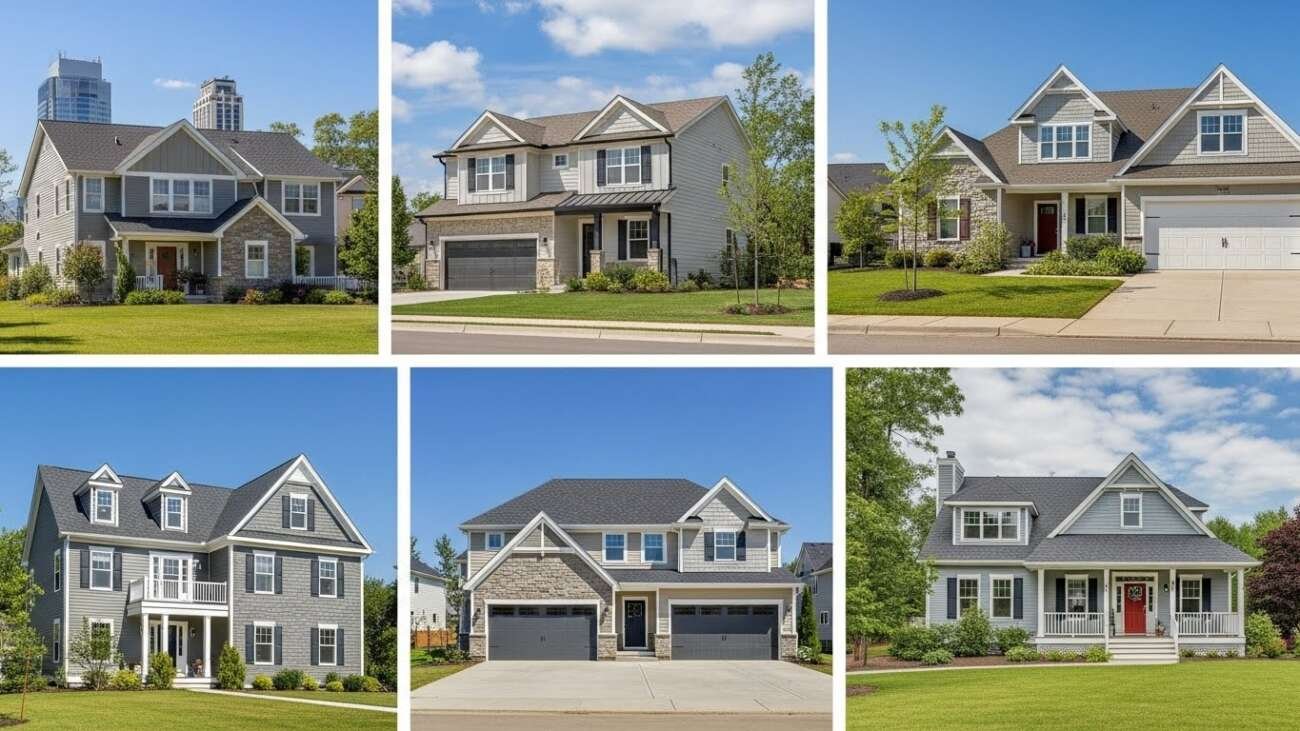

When we refer to finding a home, we do not only mean walls and roofs but comfort, belonging and the area in which our daily lives are performed. The reason is that the knowledge of the numerous varieties of home can enable you to make a choice that resonates with your style of living, requirements and own vision. You may be brand new or just want to know what you can get, this article is going to show you the most common types of home, what makes each one of them special, and how to find one that will be just right to you.
What does “type of homes” mean?
A type of home is described as a model of the structure, layout and ownership of a place where people dwell- where each type provides a different mix of space, cost, freedom and responsibility. The kind you get affects all these: the way you utilize the rooms, the way you maintain the property, the amount of freedom you get in the neighbourhood or in the structure, and finally how you feel about the place on a day-to-day basis. In a useful tutorial by Rocket Mortgage, these structural decisions are the ones that one needs to understand in order to make a wise choice.
Core home types you’ll encounter
In most of the markets, you will find a number of large types of homes. The single family detached house is one of the most recognizable: the building is all by itself with the household being segregated by at least one wall off your neighbours and there is most likely an exterior area. To most individuals this is the traditional home ownership where one has total control of the property and maximum privacy. Rocket Mortgage believes that this kind of housing remains one of the most popular among a group who want to be free and have space.
The other alternative is the townhome or a townhouse. This shares its front door and in many cases, its walls with its neighbouring units. You own your own house, however, you can have a few joint duties (landscaping, communal walls or driveways) depending on the communities. It is an intelligent compromise between an isolated house and increased density.
Next there are condominiums (condos). In a condo, you own a certain unit within a bigger structure or complex, and you own (through the homeowners association or other similar entities) common areas such as lobbies, gyms or outside areas together. This kind is appropriate to individuals who are focused on convenience, facilities and reduced exterior care.
Apartments are usually rented houses and therefore, though they offer some sort of a home, they do not have the same ownership and permanent investment by their occupants. Apartment comparison with ventilated homes is part of the process to people who are thinking of buying a home in the future. The article by Rocket Mortgage given a clear overview of the advantages and disadvantages of these types.
In addition to these, there is even a greater world of homes. It has tiny homes, mobile or manufactured homes, and more innovative options. The small footprint or mobile life suits well to some people. Investopedia suggests that the cost and range of varieties of homes will provide an insight into how the structure influences the affordability and usage of homes.
Matching the type to your life
The type of home is not only a matter of what you can afford at this particular point in time but rather a matter of how you live, what you hold dear and where you hope to be in several years to come. A detached home would be best in case you love gardening, and you have children to play around and as much privacy as possible. In case you value your proximity to urban comforts, the minimum upkeep and the community life, a townhouse or a condo may be a perfect choice.
Consider some real-life factors: What is the size of the property you can afford without cutting into your lifestyle? Are you okay with structural duties such as shared walls or home owners association regulations? Do you anticipate your house to gain value (when you own it) or are you okay with renting? Do you need something easy to maintain or to be more flexible and be able to personalise your space?
Costs and logistics
All types will have their own cost framework and logistical differences. Detached houses tend to be more expensive to buy, have increased maintenance and increased responsibility- although increased freedom. The prices of townhomes or condos may be cheaper or less direct, but you may pay association maintenance charges monthly and be restricted to shared policies. Many people are likely to pay the lowest price to enter into apartments yet the apartments do not accumulate equity in a similar manner.
It is prudent to consider not only the purchase or rent price, but also the utilities and taxes and even maintenance and insurance and even the resale or rental price in future. The article in Investopedia points to how it can make sense to know the price of various kinds of houses to help you make the correct decision.
The feel-good factor
Houses are not just investments. It is there that you unwind,things run their course each day,where you entertain your friends or kick back at the end of the day. The kind of home you have influences your mood when you get in the door. Prefer a porch where you can have your morning coffee? A yard for pets or children? A few steps since movement is important? These comfort points are no less important than the square footage and price.
Staying flexible for the future
Although the decision you make today matters, life is changing. Family sizes shift, places of work shift, mobility requirements can alter and your budget is likely to alter as well. The possibility of adapting is one of the benefits of using the right type. To take an example a townhouse would fit a larger family at the time and would be more affordable to resize at some point in future as compared to a bigger detached house. A well-conceived picture of the life you want in the next 5-10 years may enable you to choose a type that fits in the long-term, rather than a short-term fix.
How to make the choice
Begin by cutting down on your budget and areas of preference. Identify what you must have: how many bedrooms, how close to work or school, what type of community and how much you can maintain. Go to various types of homes and fantasize about living in them, how would you organize your routines? Discuss condo or townhome living with condo or townhome residents. Talk to owners of detached homes regarding the freedom they enjoy or problems that they have. Educate yourself by using external material, such as the Rocket Mortgage guide or other comparisons of different forms of homes.
Final thoughts
Knowing the kind of home you are going to gives you freedom as well as understanding. It allows you to look beneath the price labels and get a glimpse of the life you desire. It doesn’t matter where you are looking, be it a peaceful isolated house, a colorful condo complex or a low-budget townhouse, the key is that whatever you pick, it seems to be what fits into your lifestyle, your budget and your future. Home is a place you belong to and the first thing towards making a place your own is identifying what kind of a home you belong in.
Frequently Asked Questions (FAQs)
What is the difference between a townhouse and a detached home?
A detached home stands alone, with no shared walls or internal connection to other homes. A townhouse shares one or more walls with neighbouring units, but you own the unit and land attached to it. Townhouses often involve less maintenance outside and come with lower initial cost, but sometimes fewer freedoms regarding landscaping and exterior changes.
Is a condominium a good choice for first-time owners?
Yes, a condo can be a strong choice for first-time buyers because it often requires a smaller budget, involves less exterior maintenance and offers community amenities. However you should consider monthly homeowners association fees, rules or restrictions and resale value carefully.
What are tiny homes and are they a practical choice?
Tiny homes are smaller dwellings—often from 60 to 600 square feet—that emphasise minimalism, low cost and sometimes mobility. They can be practical for single persons or couples looking to simplify, but may not suit larger families or those wanting traditional space. They also sometimes face zoning or finance limitations.
How should I prioritise home type versus location?
Both are very important. Location influences daily life, commute times, schools, neighbourhood safety and resale value. Home type influences how you live inside and outside your space. Ideally, you should find a balance: a home type you can afford and love, in a location that supports your lifestyle and budget.
Can the type of home affect resale value?
Absolutely. Detached homes often hold and increase value when properly maintained. Condos or townhouses may offer less flexibility to customise or fewer buyers in certain markets. Some types such as manufactured or mobile homes may depreciate. Evaluate resale trends in your area and the type of home you choose accordingly.




Leave a Comment